
Developing Resilience in Children Through Positive Parenting
Resilience is a valuable skill that all children need to navigate the ups and downs of life. It is the ability to adapt and cope with change, face challenges, and overcome obstacles. As parents, we play a crucial role in nurturing resilience in our children. Positive parenting is a powerful tool that can help develop resilience in children. In this article, we will explore the importance of resilience, the role of positive parenting in its development, and practical tips for fostering resilience in children through positive parenting.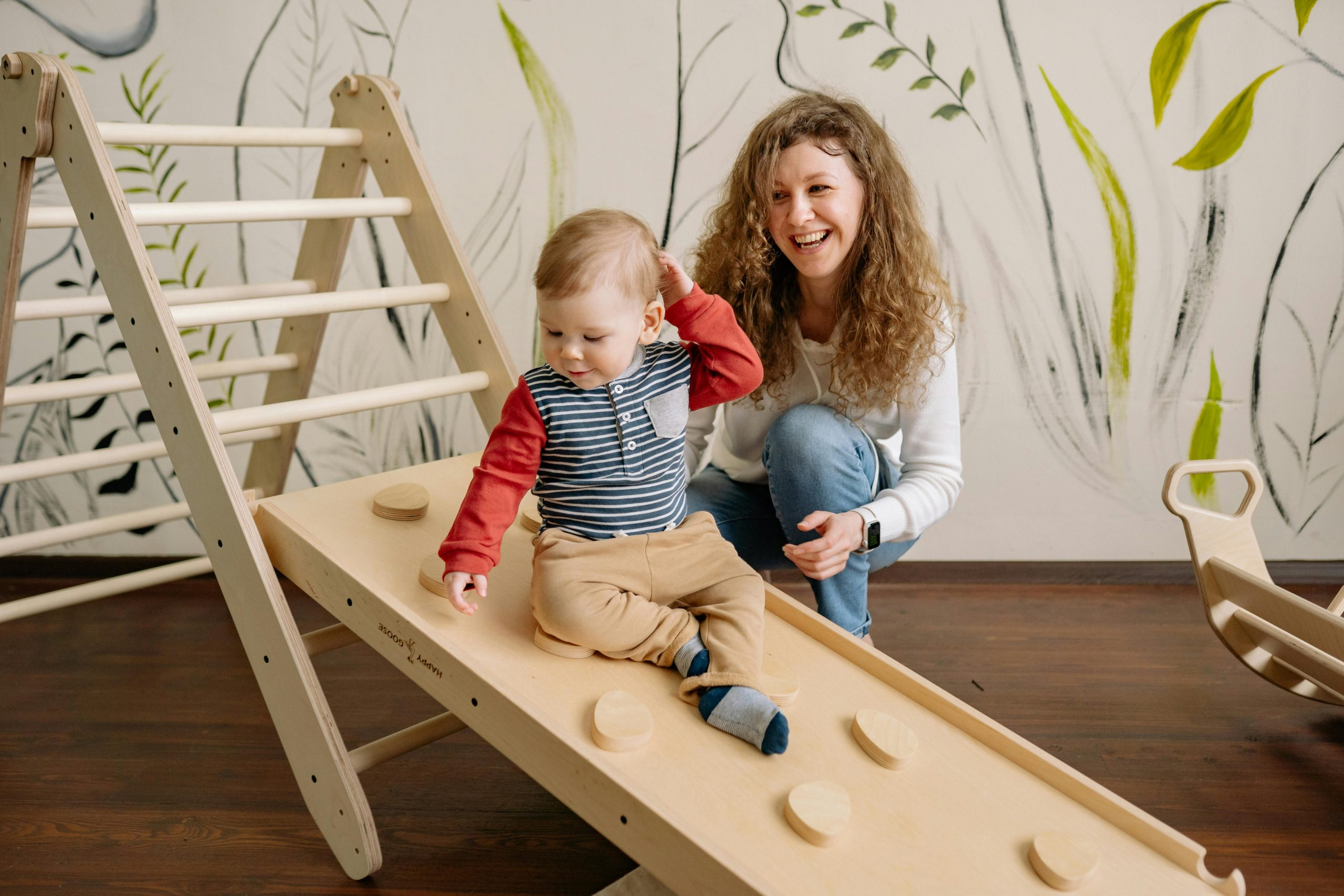
The Importance of Resilience in Children
Life is full of hurdles, and children are not immune to them. From minor setbacks to significant life events, children face challenges every day. That is why developing resilience has become increasingly crucial. Resilient children are better equipped to cope with stress, bounce back from failures, and thrive in adverse circumstances. They are more confident, self-assured, and able to persevere in pursuing their goals. Teaching resilience also instills important life skills such as problem-solving, emotional regulation, and self-motivation. As parents, we all want our children to become resilient and successful individuals, and positive parenting is an effective way to achieve this goal.
The Role of Positive Parenting in Developing Resilience
Positive parenting is a parenting style focused on building a strong and healthy relationship with our children. It involves being empathetic, patient, and nurturing while setting clear boundaries and expectations. Positive parenting also encourages positive reinforcement, praise, and encouragement rather than punishment and criticism. This parenting approach has been proven to promote resilience in children as it provides a supportive and nurturing environment for them to grow and learn.
Building Strong Parent-Child Relationships
A key aspect of positive parenting is building a strong parent-child relationship. Children who have a secure and loving attachment with their parents are more likely to develop resilience. When children feel safe and supported, they are more comfortable expressing themselves and seeking support when faced with challenges. This strong bond also helps develop emotional regulation and problem-solving skills, both of which are crucial for building resilience.
Encouraging Independence and Autonomy
Positive parenting also focuses on allowing children to make their own decisions and take age-appropriate risks. By giving our children the space to explore and make mistakes, we are teaching them valuable life skills. This approach also shows children that they are capable of handling challenging situations, which helps build their self-confidence and resilience.
Practical Tips for Fostering Resilience through Positive Parenting
Promote a Safe and Nurturing Environment
A safe and nurturing environment is the foundation for resilience. As parents, we need to provide a home where our children feel secure, loved, and supported. This includes creating a daily routine, spending quality time with our children, and actively listening to them without judgment.
Be a Positive Role Model
Children learn by observing and imitating their parents’ behavior. As such, it is essential to model resilience ourselves. By practicing positive coping skills, demonstrating problem-solving strategies, and remaining optimistic in the face of difficulties, we teach our children how to handle challenges effectively.
Teach Emotional Regulation
Emotional regulation is a fundamental skill for resilience. We can help our children regulate their emotions by acknowledging their feelings, labeling them, and teaching them healthy ways to express and cope with emotions. This includes deep breathing, positive self-talk, and finding healthy outlets for their emotions, such as art or physical activities.
Celebrate Effort and Not Just Success
Resilience is all about trying again and persevering despite failure. As parents, we need to recognize and praise our children’s effort and not just their achievements. This teaches our children that success is not the only measure of their worth and encourages them to keep trying.
Conclusion
In summary, developing resilience in children is crucial for their overall well-being and success. Positive parenting is a powerful tool that can help foster resilience in children by building strong parent-child relationships, encouraging independence and autonomy, and teaching important life skills. By creating a safe and nurturing environment, being positive role models, teaching emotional regulation, and celebrating effort, we can instill resilience in our children and prepare them for the challenges that lie ahead.