
Understanding the Role of Yeast in Bread and Beer Making
The process of bread and beer making has been around for centuries, has evolved and continuously plays a vital role in the food and beverage industry. One key ingredient that is commonly found in both bread and beer is yeast. Yeast may seem like a simple ingredient, but its role in bread and beer making is crucial in the final product. In this article, we will delve deeper into understanding the role of yeast in bread and beer making and how it contributes to the overall flavor and texture of these beloved food and beverage items.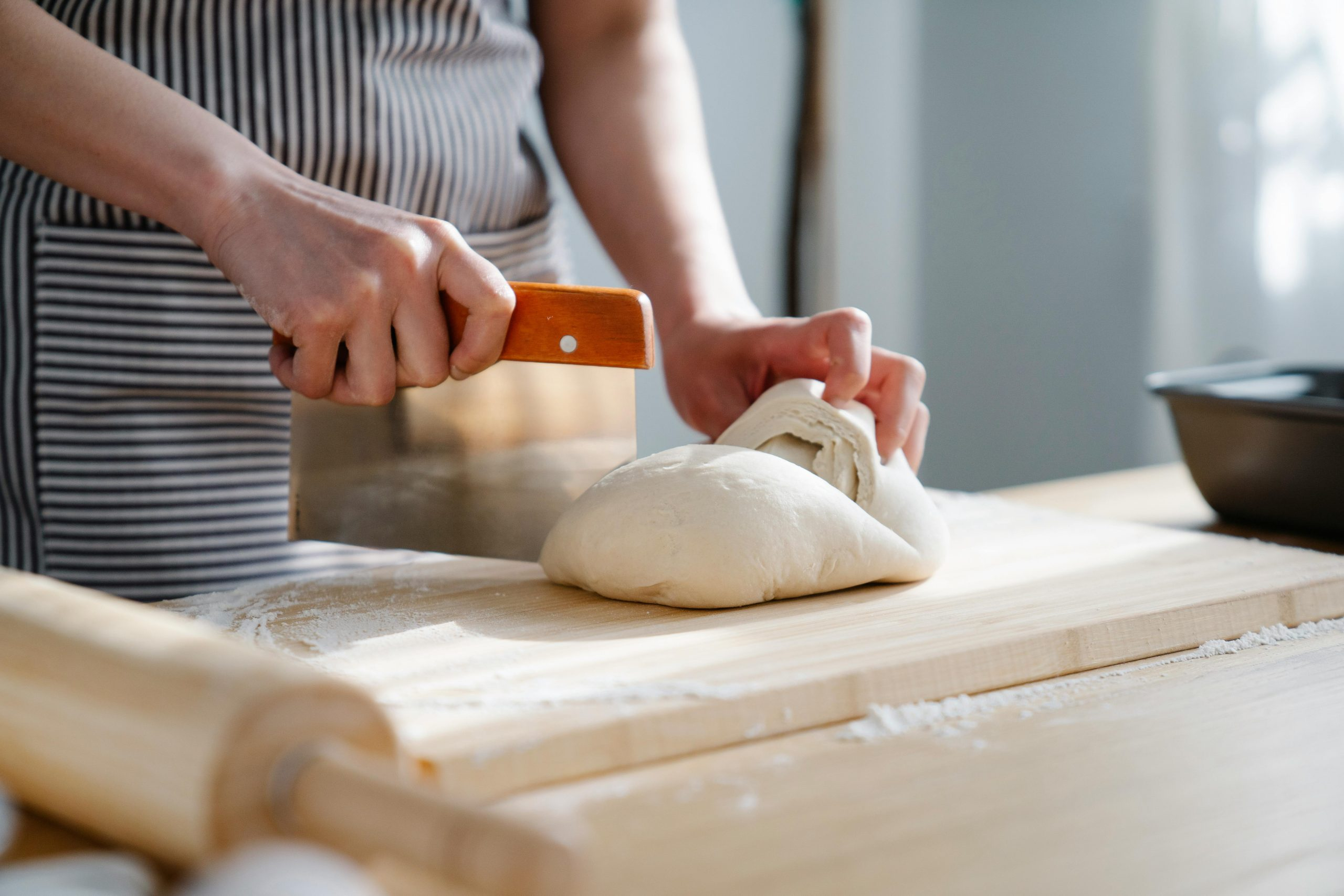
The Basics of Yeast
Yeast is a single-celled microorganism that belongs to the fungi kingdom. It is commonly used in the food and beverage industry, particularly in bread making and beer brewing. There are various types of yeast, with the most common ones being baker’s yeast and brewer’s yeast.
Bread Making and Yeast
In bread making, yeast is responsible for the leavening or rising of the dough. When yeast feeds on sugar in the dough, it produces carbon dioxide gas and alcohol. The gas gets trapped in the dough, causing it to rise. This process is crucial in creating the light and fluffy texture of bread. Yeast also adds flavor to the bread through the production of alcohol and other by-products.
Another important role of yeast in bread making is the production of gluten. Gluten is a type of protein that gives bread its characteristic chewiness and structure. As yeast produces carbon dioxide gas, it stretches and strengthens the gluten, creating air pockets in the dough and giving the final product its airy texture.
Beer Brewing and Yeast
In beer brewing, yeast is responsible for the fermentation process. During this process, the yeast consumes the sugars from the malted grains and produces alcohol and carbon dioxide. The type of yeast used in beer brewing can greatly affect the flavor, aroma, and alcohol content of the beer. For example, ale yeast produces fruity and spicy flavors, while lager yeast produces a smoother and cleaner taste.
In addition to producing alcohol and carbon dioxide, yeast also produces other by-products such as esters and phenols, which contribute to the unique flavors and aromas of different types of beer. These by-products are influenced by the type of yeast, the type of grains used, and the fermentation conditions.
The Importance of Yeast in Bread and Beer Making
Yeast is an essential ingredient in bread and beer making as it not only contributes to the flavor and texture but also plays a vital role in the overall process. Without yeast, bread would not rise, and beer would not ferment.
Aside from its roles in the final product, yeast also has several health benefits. Yeast contains vitamins and minerals, including B vitamins, folate, and zinc, which are all essential for maintaining a healthy immune system and metabolism. Additionally, the fermentation process of yeast in bread and beer also enhances the bioavailability of these nutrients, making them more easily absorbed by the body.
Conclusion
In conclusion, yeast plays a crucial role in bread and beer making. It contributes to the overall flavor and texture of these food and beverage items and also has several health benefits. The type of yeast used and the fermentation process greatly influences the final product. So, the next time you enjoy a slice of bread or a cold beer, remember the important role that yeast plays in making these beloved food and beverage items.