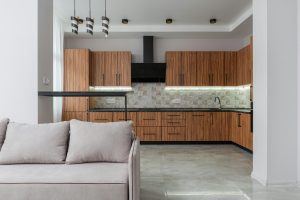
Exploring the Potential of Tiny Homes and Micro-Apartments
In recent years, there has been a growing trend towards tiny homes and micro-apartments as a solution for housing in urban areas with high population density. These compact living spaces offer a range of benefits, from affordability and sustainability to a simpler and minimalist lifestyle. As the population continues to grow and cities become increasingly congested, the potential of tiny homes and micro-apartments as a viable, practical and efficient housing option is only set to rise. In this article, we will delve deeper into the world of tiny homes and micro-apartments to explore their potential and how they are revolutionizing urban living.
The Rise of Tiny Homes
The concept of tiny homes or micro-housing has been around for decades, but it has gained mainstream attention in recent years. A tiny home is typically defined as a living space that is 400 square feet or less, while a micro-apartment is usually between 200 to 400 square feet. These homes are often built on a trailer bed, making them portable and giving owners the freedom to move around. With the rising costs of living and the growing popularity of minimalistic lifestyles, tiny homes have emerged as an attractive alternative to traditional homes.
Affordability and Sustainability
The most significant advantage of tiny homes is their affordability. The cost of building and maintaining a tiny home is significantly lower than that of a traditional home. With fewer materials and space to maintain, homeowners can save up on utility bills and property taxes. The use of sustainable materials and a smaller carbon footprint also make these homes a greener and eco-friendlier option. Their compact design also opens up possibilities for off-grid living, utilizing solar power and rainwater harvesting techniques.
Combating Urbanization and Overcrowding
The rapid growth of cities and urbanization has created a surge in housing demand. Tiny homes and micro-apartments provide a practical solution to combating urbanization and the problem of overcrowding. The small size of these living spaces allows for more units to be built in a smaller area, maximizing land use and reducing the strain on resources. They are also a great option for those looking to live in the heart of the city, within walking distance of amenities and attractions.
The Benefits of Micro-Apartments
Micro-apartments offer a similar solution to housing shortages as tiny homes, but they are often larger in size and more suitable for long-term living. These compact apartment units are designed to maximize every inch of space, utilizing multi-purpose furniture and smart storage solutions. Micro-apartments have become increasingly popular amongst young professionals and students looking for affordable and convenient housing options in cities.
Affordability and Location
With rental prices skyrocketing in big cities, micro-apartments provide an affordable option for those wanting to live in the heart of the city. Their small size makes them easier and cheaper to maintain, making them a popular choice for urban dwellers on a budget. The central location also offers easy access to public transportation, making it ideal for those without a car.
Lifestyle and Minimalism
The compact design of micro-apartments promotes a minimalistic lifestyle, forcing residents to downsize and declutter. With limited space, there is no room for excess, and this has led many to adopt a simpler way of life. Smaller living spaces also require less cleaning and maintenance, freeing up time for more important things.
In Conclusion
The rise of tiny homes and micro-apartments is a testament to the growing demand for affordable and sustainable urban housing solutions. These compact living spaces offer a range of benefits, from affordability and location to a simpler and more sustainable lifestyle. As cities continue to grow, the potential of tiny homes and micro-apartments is only set to increase. These small homes may be the key to combatting issues of urbanization and overcrowding while also promoting a more minimalistic and sustainable way of life.