
The Impact of Culture and Geography on Regional Dressing
When it comes to fashion, there is no denying the fact that each region has its own unique style of dressing. From the vibrant colors and intricate patterns of Indian clothing to the elegant simplicity of Japanese kimono, every culture has specific clothing traditions that have been passed down for generations. However, what many people may not realize is that the clothing styles of different regions are not solely influenced by the culture, but also by the geography. In fact, the impact of culture and geography on regional dressing is undeniable and plays a significant role in shaping the fashion choices of individuals, as well as the fashion industry as a whole.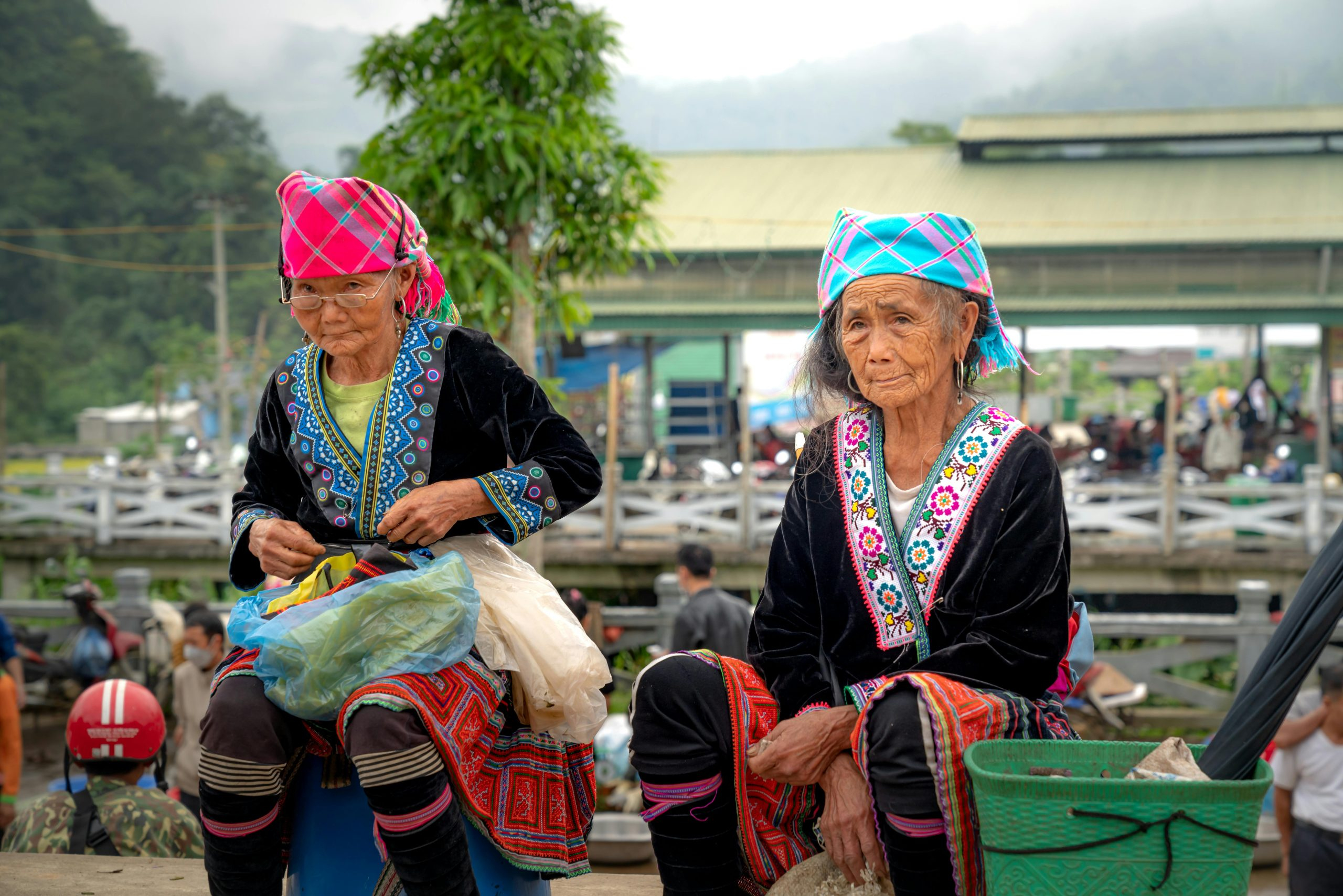
The Influence of Culture on Regional Dressing
Culture can be defined as a set of shared beliefs, values, and practices that shape the way of life of a particular group of people. It is deeply ingrained in every aspect of our lives, including the clothes we wear. The clothing styles of different regions are a reflection of their cultural heritage and identity. For example, the brightly colored fabrics and intricate embroidery of traditional Mexican clothing are a representation of their vibrant and lively culture.
Cultural norms and traditions also play a significant role in dictating the appropriate attire for different occasions. In some cultures, certain fabrics, patterns, or colors are reserved for special events like weddings or religious ceremonies, while others are considered everyday attire. This is why you will see people in India wearing traditional sarees on a daily basis, while in Western countries, they are only worn for special occasions.
The Influence of Geography on Regional Dressing
The geography of a region has a profound impact on the clothing styles of the people living there. The availability of resources, climate, and topography all play a crucial role in shaping the fashion choices of individuals. For instance, in colder regions, clothing is often designed to provide insulation and warmth, while in hotter regions, clothing is made from lightweight and breathable fabrics.
Geography also influences the types of fabrics and materials used in clothing. For instance, regions with a strong agricultural industry will have clothing made from locally-grown materials such as cotton or wool. On the other hand, regions with a strong fishing industry will have clothing made from materials like silk, which is derived from silkworms that feed on mulberry trees.
The Intersection of Culture and Geography in Regional Dressing
While culture and geography are two distinct factors, they often intersect and influence each other in regional dressing. For example, in South Asia, the sweltering climate has led to the creation of loose and airy clothing, such as the traditional salwar kameez, made from lightweight cotton fabrics. However, the cultural norm of modesty has also played a role in the design of these garments, with areas such as Pakistan and Afghanistan having more conservative styles that cover the entire body.
The impact of culture and geography on regional dressing can also be seen in the use of natural dyes and prints. In regions with a long history of textile production, such as Africa and India, natural dyes from plants, insects, and minerals are used to create vibrant patterns and colors on fabrics. The availability of these resources in different regions not only adds to the cultural significance of the clothing, but also makes them unique to that particular region.
The Influence of Regional Dressing on the Fashion Industry
The impact of culture and geography on regional dressing goes beyond just personal choices and traditional attire. The fashion industry, which is constantly evolving and seeking inspiration from different cultures, also takes cues from regional dressing. Designers often incorporate elements of traditional regional clothing into their collections, either as a tribute to a particular culture or as a way to stay ahead of trends.
Today, we see a blend of traditional and contemporary styles in fashion, with traditional clothing from different regions being reimagined and elevated to a new level. This not only gives these regional styles a global platform but also helps to preserve and promote cultural diversity in fashion.
The Global Impact of Culture and Geography on Regional Dressing
In today’s interconnected world, the impact of culture and geography on regional dressing is not limited to a particular area but has a global reach. With the rise of social media and increasing travel opportunities, people are now more exposed to different cultures and their fashion styles. This has led to the fusion of various styles from different regions, creating unique and eclectic fashion choices.
Moreover, the fashion industry has also become more inclusive, with designers and brands from different regions collaborating and showcasing diverse styles on international runways. This not only promotes cultural exchange but also brings to light the significance and beauty of regional dressing.
To conclude, the impact of culture and geography on regional dressing is undeniable and has a profound influence on the way we dress and the fashion industry as a whole. It is a celebration of cultural diversity and a reminder that there is beauty in different traditions and ways of life. So, the next time you admire a particular regional style, remember to appreciate the culture and geography that has shaped it into what it is today.