
Understanding the Fine Print of Extended Warranty Contracts
When purchasing a new product, it’s not uncommon to be offered an extended warranty contract for an additional fee. These contracts often promise to cover any unexpected repairs or replacements for a longer period of time than the manufacturer’s warranty. While this may seem like a no-brainer, it’s important to understand the fine print of these extended warranty contracts before making a decision. In this article, we will delve deeper into the details of extended warranty contracts and what you need to know before signing on the dotted line.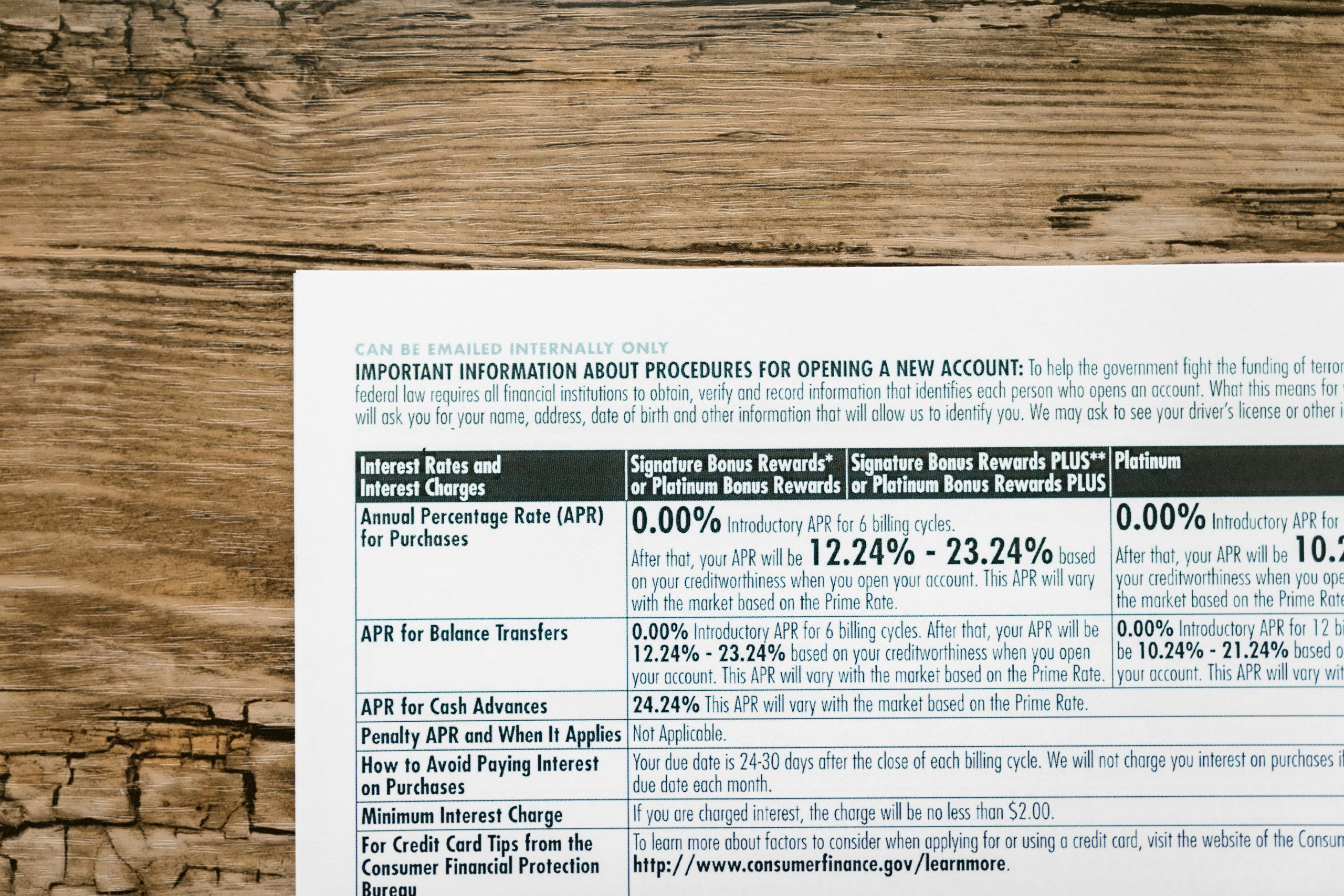
What is an Extended Warranty Contract?
An extended warranty contract is an agreement between the consumer and the company selling the product. It extends the length of the warranty beyond what is offered by the manufacturer. Essentially, it’s an insurance policy that covers any potential repairs or replacements that may occur during the extended warranty period.
Extended warranty contracts are usually offered on high-priced items such as electronics, appliances, and vehicles. The cost of the extended warranty is typically added to the overall purchase price and can range from a few dollars to hundreds of dollars.
The Fine Print
What is Covered?
As with any contract, it’s crucial to understand what is covered and what is not. The extended warranty contract will outline the specific terms and conditions of coverage. It’s important to carefully review this section to ensure that the contract covers the potential issues you may face with the product.
For example, if you purchase an extended warranty for a laptop, make sure that accidental damage, such as a cracked screen, is included. It’s also important to note whether the contract covers normal wear and tear, as some companies may exclude it from coverage.
Length of Coverage
The extended warranty contract will also specify the length of coverage. It’s important to know how long you will be covered for repairs or replacements. Some contracts may offer a warranty that lasts for a specific number of years, while others may offer coverage for a specific number of uses.
It’s also important to note that the extended warranty will typically start after the manufacturer’s warranty expires. This means that the first year or two of coverage will overlap with the manufacturer’s warranty, making the extended warranty less valuable.
Cost of Repairs
One of the main reasons people purchase extended warranty contracts is to save money on unexpected repairs. However, it’s important to understand how much these repairs will actually cost you. Many contracts require the consumer to pay a deductible for each repair, which can range from $25 to $100. Some contracts may also limit the total amount they will cover for a repair, leaving the consumer to pay the remaining cost.
Is an Extended Warranty Contract Worth It?
Now that we have a better understanding of what an extended warranty contract entails, the question remains: is it worth it?
The answer ultimately depends on the individual and the specific product being purchased. In some cases, extended warranty contracts can provide peace of mind, especially for high-priced items that are more likely to require repairs. However, it’s important to carefully consider the cost of the warranty versus the potential savings on repairs.
When deciding whether or not to purchase an extended warranty, it’s important to ask yourself the following questions:
1. Can I afford the cost of repairs without the extended warranty?
If you have enough savings or access to credit, you may not need an extended warranty. It’s important to weigh the potential costs of repairs versus the cost of the warranty when making this decision.
2. What is the likelihood that the product will need repairs during the extended warranty period?
If the product has a history of needing repairs or is known to have issues, it may be worth purchasing the extended warranty. However, if the product typically has a low failure rate, the chances of needing repairs may be slim.
3. What is the reputation of the company offering the extended warranty?
Make sure to research the company offering the extended warranty before committing. Read reviews and check their track record for customer satisfaction and paying out claims.
In Conclusion
Extended warranty contracts can be a valuable investment for some consumers, but it’s important to fully understand the fine print before agreeing to one. Knowing what is covered, the length of coverage, and the cost of repairs can help you make a well-informed decision. Ultimately, it’s up to the individual to weigh the potential costs and benefits and decide whether an extended warranty is worth it for them.