Designing Functional and Beautiful Small Living Spaces
Small living spaces can be challenging to design, especially when you have limited space to work with. However, with the right approach and a touch of creativity, you can transform even the tiniest of living spaces into functional and beautiful areas. In this article, we will explore some tips and tricks for designing small living spaces that are both aesthetic and practical.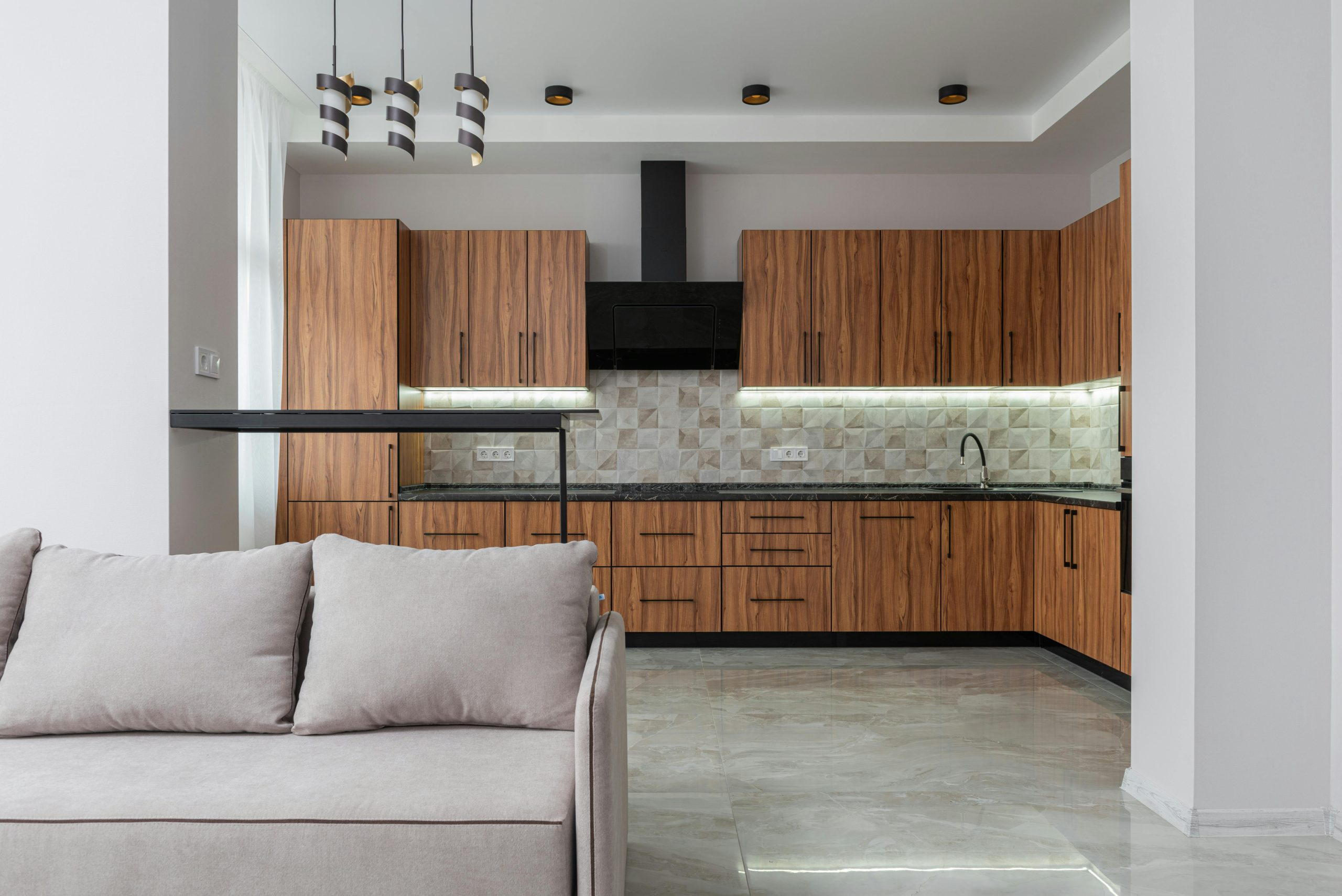
Maximize Vertical Space
When it comes to small living spaces, the key is to think vertically. This means utilizing every inch of wall space to create storage and display areas. Consider installing shelves or cabinets above doorways or windows to free up floor space. You can also hang decorative baskets or shelves on the walls to store items such as books, plants, or decorative pieces.
Choose Multi-Functional Furniture
In a small living space, every piece of furniture counts. Therefore, it’s essential to choose multi-functional pieces that serve more than one purpose. For example, a storage ottoman can act as a footrest, extra seating, and a place to store blankets and pillows. A sofa bed is another great option for limited spaces as it can act as a couch during the day and a bed at night.
Omit Unnecessary Items
When it comes to small living spaces, less is more. It’s crucial to be selective about the items you bring into your space. Avoid clutter by choosing only essential and functional pieces. For instance, instead of a coffee table, opt for a smaller side table that can double as a laptop desk. Keep in mind that having more empty space in a small area can make it feel more spacious and less cramped.
Utilize Natural Light
Natural light can make a small space appear more expansive and inviting. Therefore, it’s essential to maximize the amount of natural light in your living space. Avoid heavy curtains and opt for sheer curtains or blinds that allow natural light to flow in. You can also place reflective surfaces, such as mirrors, near windows, to reflect light and create the illusion of a larger space.
Choose Light Colors
Dark colors tend to make a space feel smaller and more confined. Therefore, in a small living space, it’s best to stick to light and neutral colors. White, beige, and light grey are great options for walls, as they reflect light and make the room feel more open. You can add pops of color through decorative items such as throw pillows, rugs, and artwork.
Create Zones
In a small living space, it’s essential to create different zones for different functions. This can be achieved through strategic furniture placement, rugs, and room dividers. For example, you can place a sofa and TV stand on one side of the room to create a seating and entertainment zone, and a small table and chairs on the other side for a dining area.
Get Creative with Storage
In a small living space, hidden storage is your best friend. Look for furniture pieces that have built-in storage, such as beds with drawers underneath or ottomans with hidden compartments. You can also use unconventional storage solutions, such as hanging shoe organizers on the back of doors or using wall-mounted spice racks for office supplies.
Don’t Forget About the Details
In a small living space, it’s crucial to pay attention to the small details that can make a big difference. This includes choosing the right lighting, incorporating textures and patterns, and adding greenery for a touch of nature. These finishing touches can add depth and character to your small living space.
In conclusion, designing functional and beautiful small living spaces requires a mix of creativity, practicality, and attention to detail. By utilizing vertical space, choosing multi-functional furniture, maximizing natural light, and creating zones, you can transform even the tiniest of spaces into a comfortable and inviting home. Remember to keep things simple, avoid clutter, and add personal touches to make your living space truly yours.