
The Role of Robotics in Warehouse Management and Delivery
In today’s fast-paced world, the demand for efficient warehouse management and delivery has never been higher. With the rise of e-commerce and online shopping, companies are under immense pressure to streamline their operations and deliver products to consumers as quickly as possible. This is where robotics comes into play. The use of robots in warehouse management and delivery has revolutionized the way goods are handled and shipped, helping businesses to improve their processes and meet the growing demands of the market.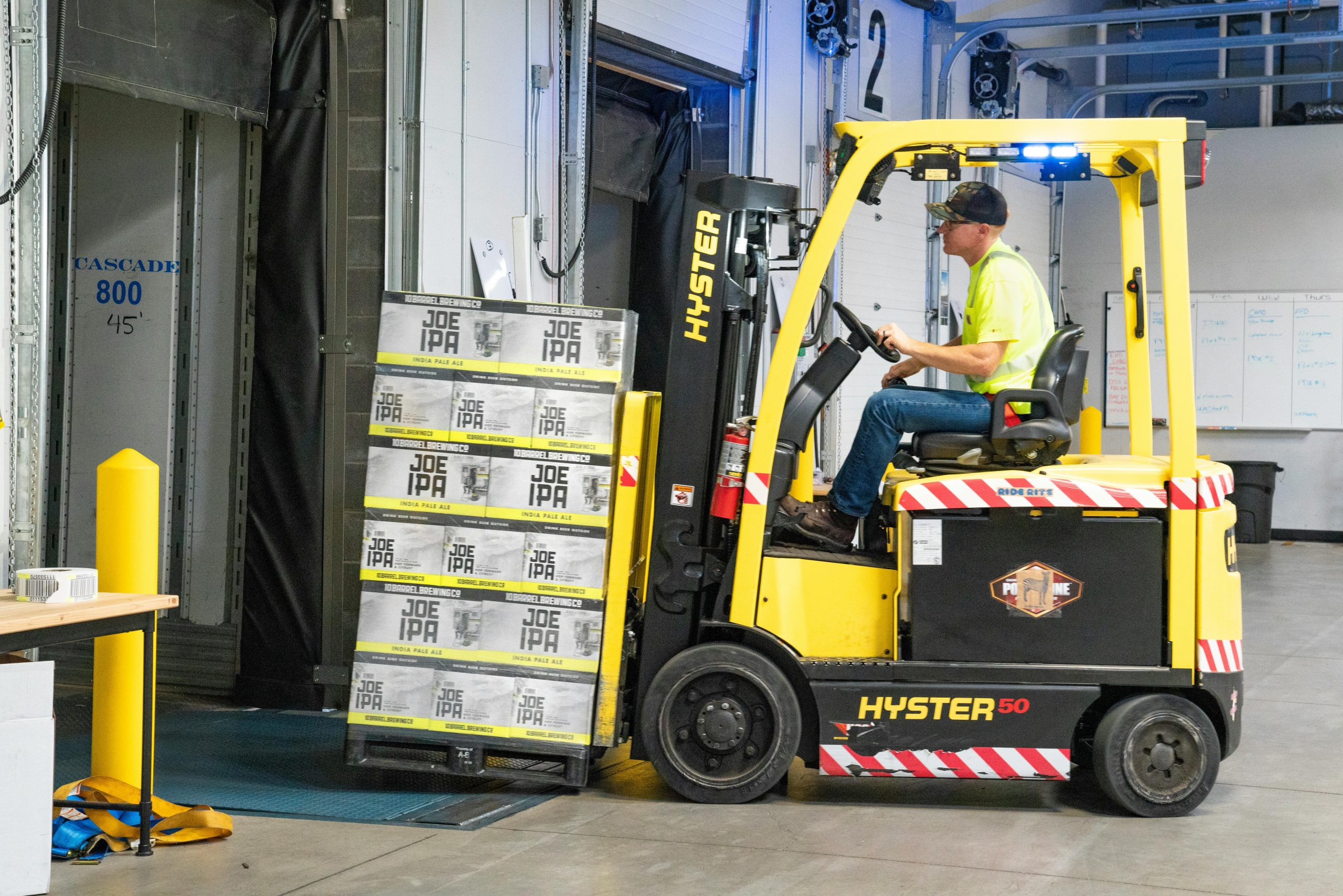
The Evolution of Robotics in Warehouse Management and Delivery
The concept of using robots in warehouse management and delivery dates back to the 1960s when General Motors first implemented the Automated Storage and Retrieval System (AS/RS) in one of its warehouses. Since then, the technology has evolved significantly, and today, robots are an integral part of warehouse management and delivery systems.
Improved Efficiency and Accuracy
One of the main reasons why companies are turning to robotics in warehouse management and delivery is the boost in efficiency it provides. Unlike humans, robots don’t require breaks or time off, and they can work 24/7 without getting tired. This leads to faster and more accurate order processing and shipment, ultimately reducing the delivery time and increasing customer satisfaction.
Moreover, robots are programmed to perform repetitive tasks with precision, minimizing the risk of errors. This not only improves the efficiency of warehouse operations but also helps in reducing costs associated with inventory management and delivery.
Optimization of Warehouse Space
With the ever-increasing demand for products, warehouse space is becoming a scarce resource. Robotics has enabled businesses to optimize their warehouse space by automating the storage and retrieval of goods. Robots are designed to work in tight spaces, making it possible to stack goods vertically and utilize the available space more efficiently. This not only allows businesses to store more products but also saves them from the cost of expanding their warehouse facilities.
Enhanced Safety and Security
The use of robots in warehouse management and delivery also enhances the safety and security of goods and employees. Robots are equipped with advanced sensors and cameras that enable them to navigate through the warehouse and avoid collisions. This reduces the risk of accidents and injuries in the workplace.
In addition, robots can be integrated with security systems, ensuring the safety of products by constantly monitoring their location and movement. This makes it easier to identify and prevent theft and damage to goods, providing businesses with peace of mind.
The Role of Robots in Last-Mile Delivery
Apart from warehouse management, robots are also playing a crucial role in last-mile delivery, which is the final stage of the delivery process from the fulfillment center to the customer’s doorstep. With the rise of same-day and next-day delivery options, businesses are turning to robots to get products to customers faster.
Delivery robots are designed to navigate sidewalks and roads safely, delivering packages to customers’ homes and offices with efficiency and accuracy. They can also track the delivery in real-time, providing a seamless experience for both businesses and customers.
The Future of Robotics in Warehouse Management and Delivery
The use of robots in warehouse management and delivery is only expected to grow in the years to come. With the advancement of technology, robots are becoming more intelligent, versatile, and cost-effective, making them an attractive option for businesses of all sizes. From small fulfillment centers to large warehouses, robots are reshaping the way goods are handled and delivered, improving efficiency, reducing costs, and increasing customer satisfaction.
In conclusion, the role of robots in warehouse management and delivery is undeniable. From increased efficiency to enhanced safety and security, robots are transforming the way businesses handle processes and meet the demands of the market. As technology continues to evolve, we can only expect to see a more significant impact of robots in warehouse management and delivery in the future.