Mastering the Fundamentals of Different Percussion Instruments
Welcome to the world of percussion instruments! Whether you’re a beginner or an experienced musician, mastering the fundamentals of different percussion instruments is essential for any percussionist. From drums to cymbals to marimbas, each instrument requires unique techniques and skills to be played effectively. In this article, we’ll dive into the basics of various percussion instruments and provide you with tips and tricks to help you become a master of the beat. So, grab your sticks and let’s get started!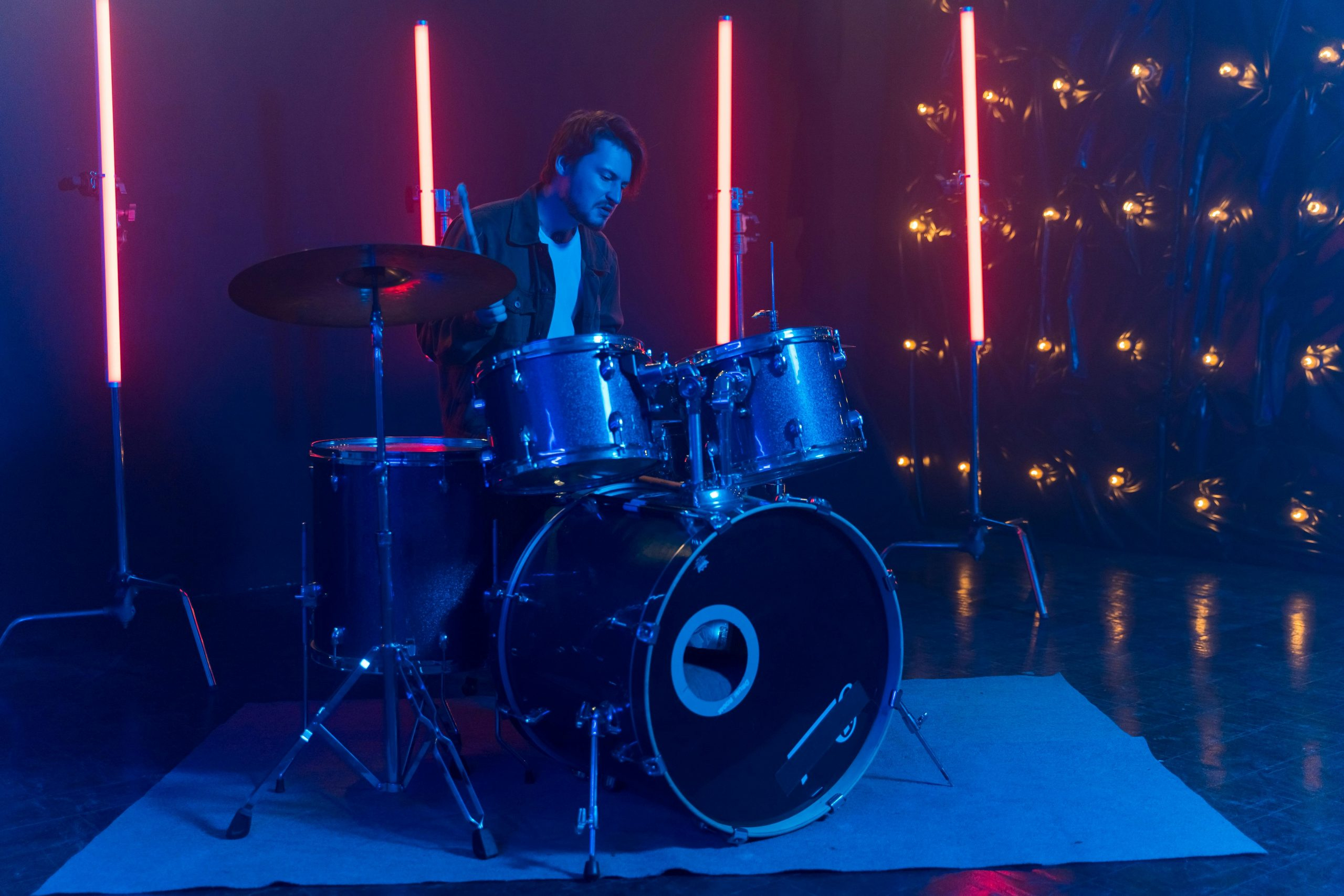
The Essentials of Drum Set Playing
Let’s kick-off with the most popular percussion instrument – the drum set. It consists of various types of drums, such as bass drums, snare drums, and toms, along with cymbals and other percussion accessories. The key to mastering the drum set is control and coordination. As a drummer, you need to have the ability to play different rhythms with each limb simultaneously while maintaining a steady beat.
Starting with the Bass Drum
The bass drum is the foundation of a drum set. It’s played by using a bass drum pedal, which is attached to the bass drum with a spring. To play the bass drum, rest your foot on the bass drum pedal and press it down using your ankle. It’s important to keep your heel on the floor while playing to avoid losing control of the pedal. You can play the bass drum in various ways – using your heel, toe, or a combination of both.
The Snare Drum – Your Best Friend
The snare drum is considered the heart of the drum set. It’s played by striking the top drumhead with a stick or brushes. Unlike other drum set components, the snare drum also has a snare underneath, which creates a rattling sound when the drum is struck. This snare sound is crucial in creating a backbeat and adds depth to the rhythm. To play the snare, hold the stick between your index finger and thumb and hit it on the center of the drumhead with a flick of your wrist.
Unleashing the Power of Cymbals
Cymbals are an essential part of any drum set, used to add accents, crashes, and ride patterns. They come in various sizes and shapes, including hi-hats, crash, ride, and splash cymbals. To play cymbals, hold the sticks in a matched grip and strike the cymbal at various angles to produce different sounds. You can also use your fingers to dampen the cymbal and stop the ringing sound.
Mastering the Hi-Hats
The hi-hat is a pair of cymbals placed on top of each other and is played by using a foot pedal. The hi-hat pedal allows you to control the opening and closing of the cymbals, producing different sounds. You can play the hi-hat with your foot or by using your sticks. To play the hi-hat with your foot, use your heel to press down on the pedal, and to play with sticks, hold them between your thumb and index finger and hit the top cymbal.
Exploring the World of Mallet Percussion
Moving on from the drum set, let’s take a look at mallet percussion instruments – such as the marimba, xylophone, and vibraphone. These instruments are played by striking wooden or metal bars with mallets, which are covered with a soft material such as rubber or yarn. To master these instruments, you need to have a good sense of rhythm, hand-eye coordination, and the ability to read sheet music.
Playing the Marimba and Xylophone
The marimba and xylophone have similar playing techniques. Start by holding the mallets between your thumb and your other fingers, with the soft side of the mallet facing down. Strike the bars with a glancing motion, using your wrist to create the desired sound. You can also use different parts of the mallet to change the tone and volume.
Getting Groovy with the Vibraphone
The vibraphone is similar to the marimba and xylophone, but it has metal bars that produce a bright and shimmering sound. It also has a pedal that allows you to control the vibrato, adding even more depth to the sound. To play the vibraphone, hold the mallets at the center and use a similar striking motion as with the marimba and xylophone.
Tips for Becoming a Percussion Pro
No matter which percussion instrument you decide to master, here are some essential tips to help you become a pro:
Practice, Practice, Practice
Practice is key when it comes to mastering any musical instrument, and percussion is no exception. By practicing regularly and setting achievable goals, you’ll see significant improvements in your skills and technique.
Listen to Different Types of Music
Exposing yourself to different genres of music can help you develop a better sense of rhythm, timing, and musicality. Experiment with playing along with different artists and try incorporating their techniques into your playing.
Beginner Percussionists – Start with the Basics
If you’re just starting with percussion instruments, don’t be overwhelmed by the various techniques and instruments. Start by learning the basics, practice good posture and proper stick grip, and gradually work your way up.
Congratulations, you’ve now mastered the fundamentals of various percussion instruments! Remember, it takes time, patience, and practice to become a skilled percussionist. Keep honing your skills, experiment with different techniques, and most importantly, have fun playing!