Exploring the Intersection of Music and Political Activism
Music has always been a powerful tool for expression and activism. Throughout history, musicians have used their voices and instruments to shed light on political and social issues and bring about change. From the protest songs of the Civil Rights movement to the anti-war anthems of the Vietnam War, music has been intertwined with activism on a global scale. In this article, we will be exploring the intersection of music and political activism – how they have influenced each other and continue to do so in contemporary society.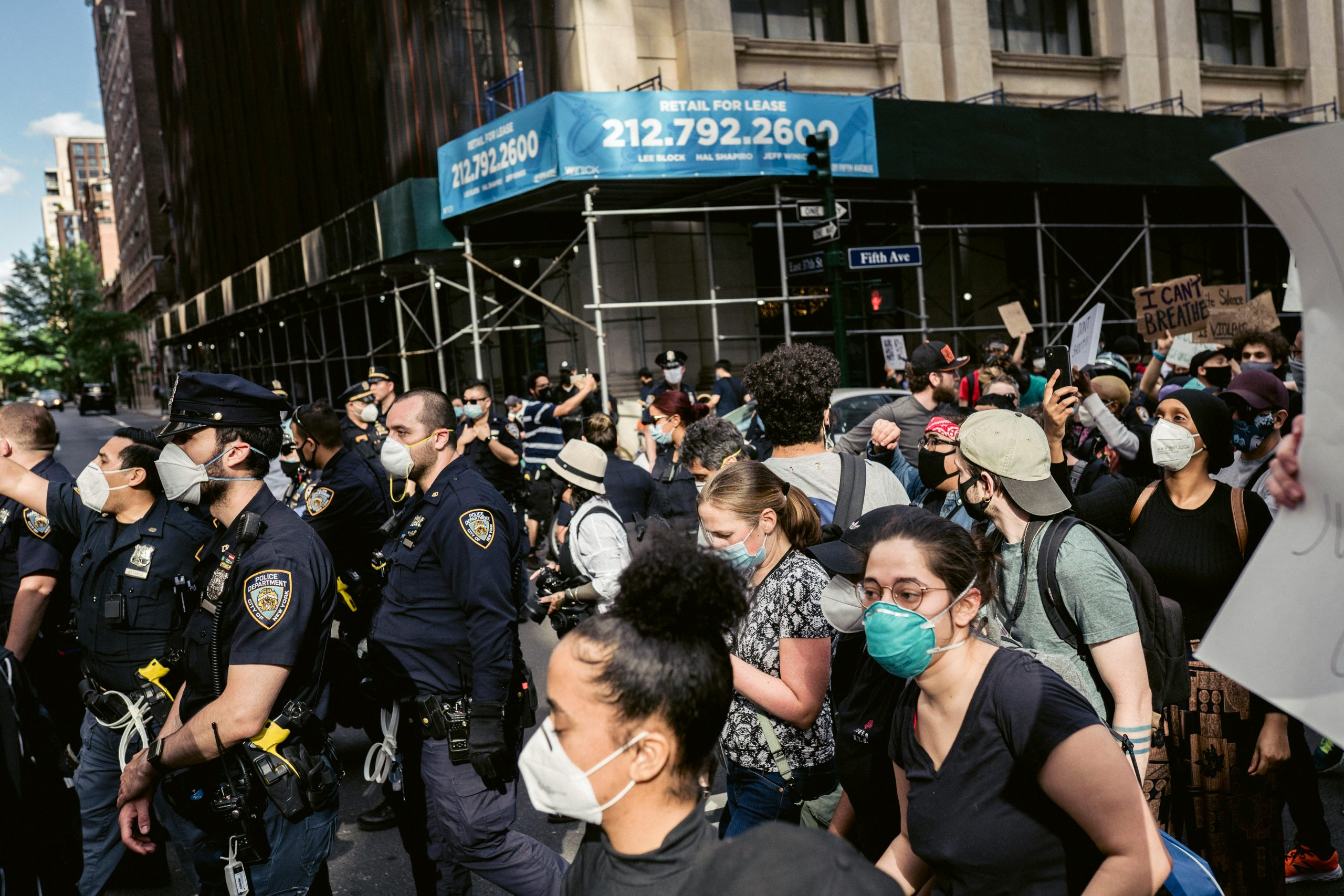
The Rise of Political Activism in Music
Music has been used as a form of political expression for centuries. It has the ability to reach people on a deeper emotional level and break down barriers of language and culture. Throughout history, musicians have used this influence to raise awareness and inspire change. One of the earliest examples of this can be traced back to the 18th century when the American Revolution saw the emergence of political songs such as “The Liberty Song” and “Yankee Doodle”. These songs helped unite and motivate colonists in their fight for independence.
The Civil Rights Movement
Music played a vital role in the Civil Rights Movement of the 1950s and 1960s. As African Americans fought for their rights and equality, iconic musicians such as Nina Simone, Sam Cooke, and Bob Dylan used their music to protest against racial injustice. Songs like “A Change is Gonna Come”, “Ain’t Gonna Let Nobody Turn Me Around”, and “Blowin’ in the Wind” became anthems for the movement, giving people hope and strength in the face of adversity. These songs not only spread the message of the Civil Rights Movement but also brought attention to the cause on a global scale.
The Vietnam War
During the Vietnam War, music became a powerful tool to express opposition to the conflict. Songs such as “War” by Edwin Starr, “We Gotta Get Out of This Place” by The Animals, and “Fortunate Son” by Creedence Clearwater Revival became anti-war anthems that resonated with the public. These songs not only reflected the widespread opposition to the war but also gave a voice to the soldiers who were fighting on the front lines.
The Evolution of Music and Activism
As the world evolved, so did the intersection of music and political activism. In the 1970s, the punk rock movement emerged as a form of rebellion against the establishment. Bands like The Clash and Sex Pistols used their music to challenge societal norms and speak out against political issues. In the 1980s, the emergence of hip-hop gave a voice to marginalized communities and addressed issues such as police brutality, poverty, and racial discrimination.
The Role of Social Media
The advent of social media has further enhanced the impact of music in activism. With the rise of platforms like Twitter, Instagram, and YouTube, musicians now have a wide-reaching platform to share their messages and connect with their audience. This has led to the emergence of online activist movements, where musicians use their influence to raise awareness and inspire change. The #BlackLivesMatter movement, for example, gained significant traction through the use of music and social media.
Music and Political Activism Today
In today’s world, music continues to be a powerful force for political activism. Musicians are using their platforms to address a wide range of issues such as climate change, LGBTQ+ rights, and mental health awareness. The #MeToo movement saw a surge of support from the music industry, with artists like Lady Gaga and Kesha using their music to advocate for survivors of sexual assault. Additionally, musicians are using their tour proceeds and partnerships with NGOs to support causes they are passionate about.
The Future of Music and Political Activism
As we progress into the future, the intersection of music and political activism will continue to evolve. With technological advancements, musicians will have even greater tools at their disposal to reach a global audience and inspire change. As younger generations become more politically engaged, music will remain a powerful vehicle for raising awareness and driving social and political action.
In conclusion, music has been an integral part of political activism throughout history. From the Civil Rights movement to present-day social causes, musicians have used their music to amplify their message and bring about change. This intersection of music and political activism is a powerful force that will continue to shape our society and inspire us to keep fighting for a better world.