
The Role of School Counselors in Supporting Student Transitions
As students navigate through their academic journeys, they face various challenges and transitions that can significantly impact their well-being and success. From elementary school to high school and beyond, students go through several significant transitions, including starting a new school, changing classes, and transitioning to college or the workforce. These transitions can be overwhelming and may bring about feelings of uncertainty, anxiety, and stress. It is during these times that school counselors play a crucial role in supporting students and ensuring their successful transition. In this article, we will explore the essential role of school counselors in supporting student transitions and how they can make a difference in students’ lives.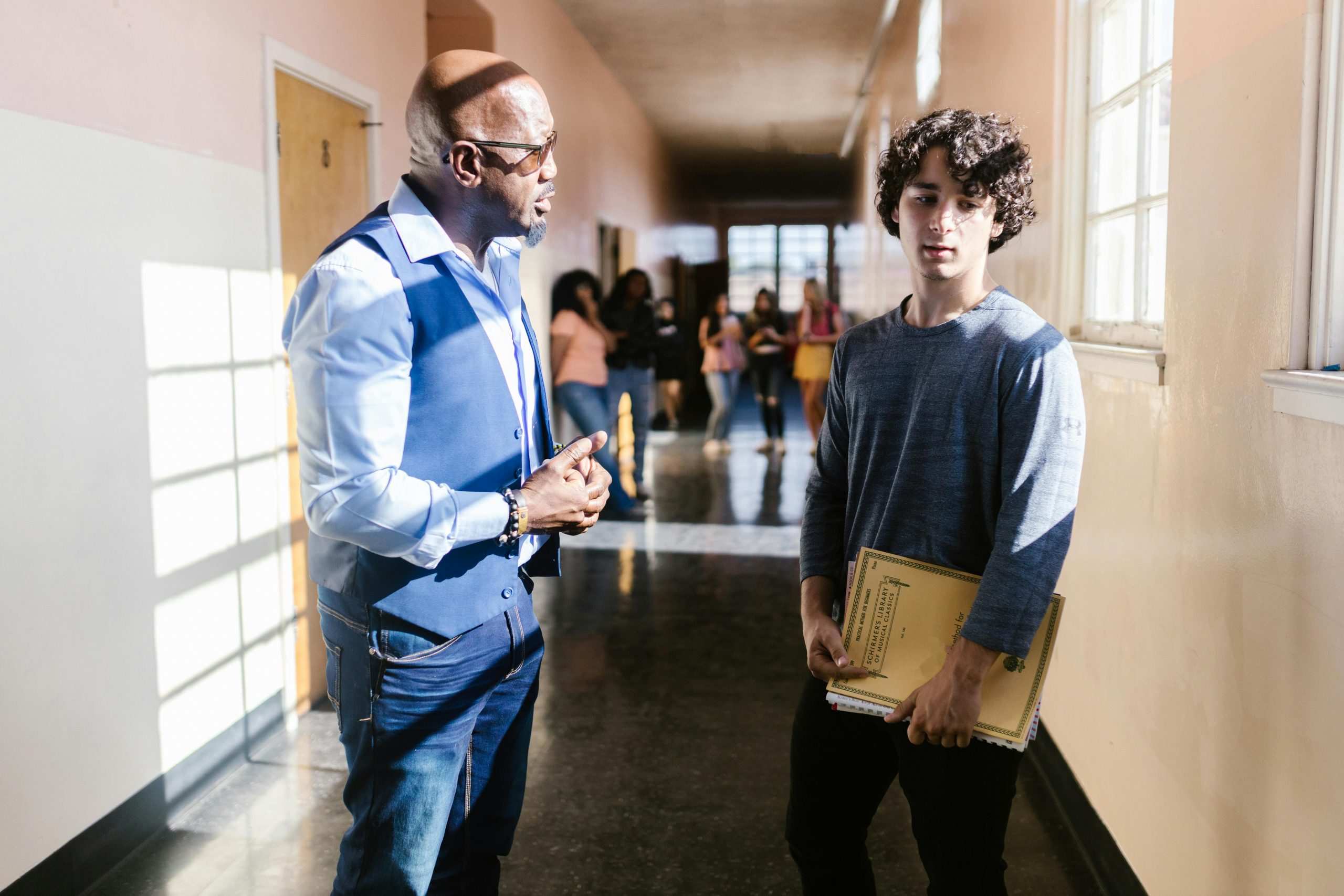
The Importance of Student Transitions
Transitions are an inevitable part of life, and they are essential for growth and development. In the context of education, student transitions can be described as significant changes that occur in a student’s academic life. Some of these transitions may be planned, such as transitioning from one grade to another, while others may be unexpected, such as moving to a new school due to relocation. Regardless of the type of transition, they can have a significant impact on students and their academic success.
Many students struggle with transitions, and the effects can be far-reaching. They may experience academic difficulties, behavior problems, and even mental health issues. According to research, transitions can be particularly challenging for students from low-income, minority, and at-risk backgrounds, who may lack adequate support systems to help them navigate through these changes. This is where school counselors come in.
The Role of School Counselors
School counselors are trained professionals who provide comprehensive counseling services to students, parents, and teachers. They work in collaboration with other school personnel to promote student success and well-being. The role of school counselors goes beyond providing academic guidance; they also play a crucial role in supporting student transitions.
Providing Emotional Support
One of the primary roles of school counselors in student transitions is providing emotional support. As students face various changes in their academic life, they may experience a range of emotions, including anxiety, stress, and even depression. School counselors provide a safe and confidential space for students to express their feelings and concerns. They offer individual and group counseling, helping students process their emotions and develop coping strategies to navigate through the transition successfully.
Assisting with Academic Planning
Transitions can also affect students’ academic performance. For instance, transitioning to a new school may mean adjusting to a new curriculum, different teaching styles, and unfamiliar classmates and teachers. School counselors can work with students to create an academic plan that addresses their individual needs and helps them stay on track towards their academic goals. They can also provide resources and support for students who may need additional help with their studies.
Collaborating with Families and School Staff
To ensure a smooth transition, school counselors also collaborate with families and school staff. They can communicate with parents about their child’s transition and provide them with resources to support their child’s well-being. They can also work with teachers and other school personnel to create a supportive environment for students going through transitions. This may include providing training to teachers on how to identify and support students struggling with transitions.
Conclusion
Student transitions can be challenging, but they are a necessary part of personal growth and development. As students navigate through these changes, school counselors play a crucial role in providing them with the support they need to thrive. By offering emotional support, assisting with academic planning, and collaborating with families and school staff, school counselors can make a positive impact on students’ lives and help them successfully transition to their next stage of education. It is, therefore, essential for schools and communities to recognize the importance of school counselors and provide them with the resources and support they need to continue making a difference in students’ lives.