Exploring the Benefits of Outdoor Education Programs
Have you ever stopped to think about the impact that outdoor education programs have on individuals and communities? These programs have been gaining popularity in recent years, and for good reason. Outdoor education is a method of teaching that takes learning out of the traditional classroom setting and into the great outdoors. It involves hands-on activities, adventure-based learning, and experiential education. In this article, we will explore the numerous benefits that outdoor education programs offer and why they are worth considering for both children and adults.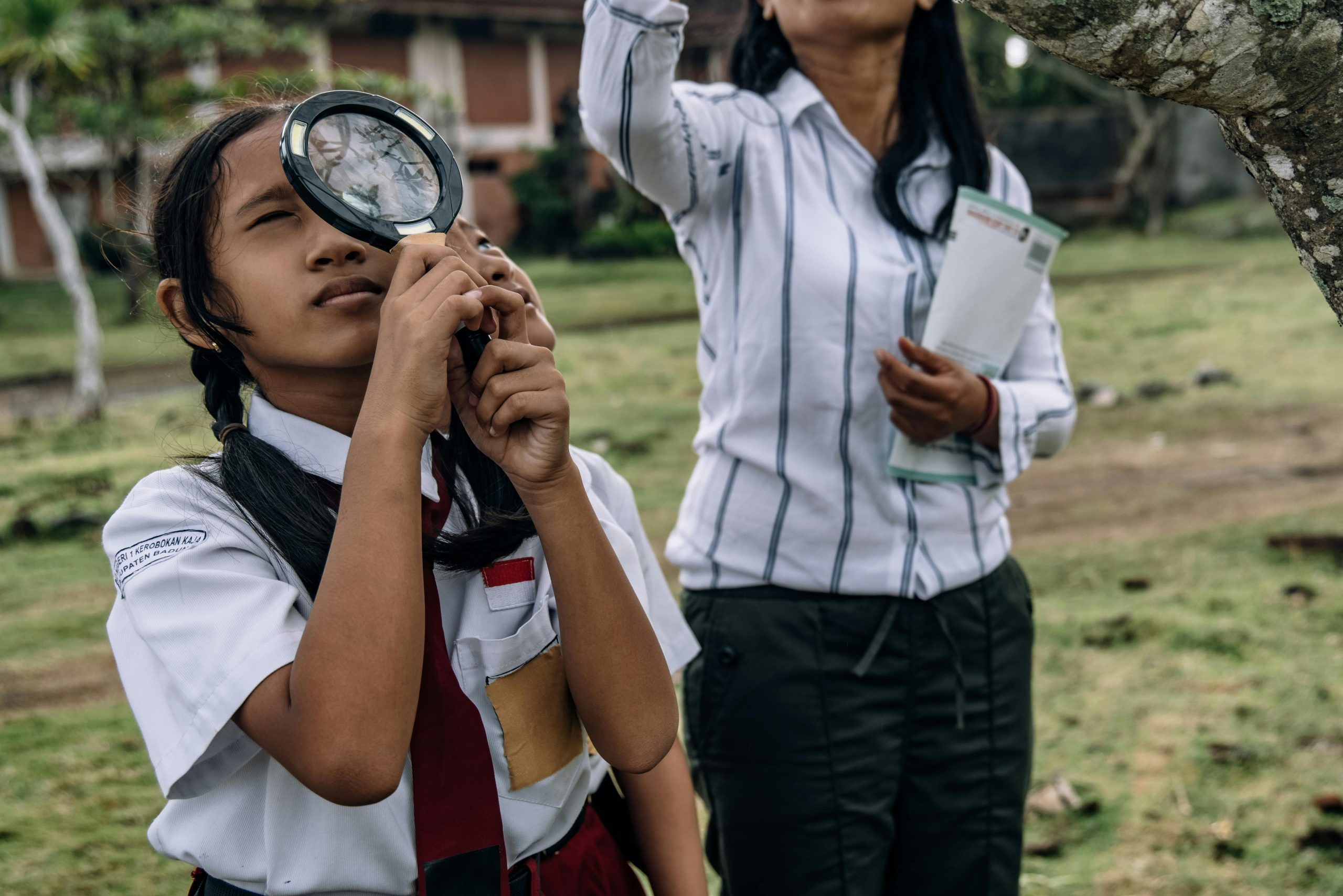
Improved Physical and Mental Health
One of the most obvious benefits of outdoor education programs is the positive impact they have on physical and mental health. In today’s technology-driven world, it’s not uncommon for children and adults to spend the majority of their day indoors. This lack of time spent outdoors can lead to a host of health problems, including obesity, vitamin deficiencies, and anxiety.
Exercise and Vitamin D
Many outdoor education programs incorporate physical activities such as hiking, rock climbing, and team-building challenges. These activities not only provide a fun and engaging way to learn, but they also promote physical exercise. Additionally, spending time outdoors allows individuals to soak up the sun’s rays and increase their vitamin D levels. Vitamin D is essential for maintaining strong bones, regulating the immune system, and improving overall well-being.
Nature and Mental Health
In addition to the physical benefits, being surrounded by nature has a positive impact on mental health. Studies have shown that spending time in nature can reduce stress levels, improve mood, and increase attention and creativity. Outdoor education programs allow individuals to disconnect from the chaos of everyday life and reconnect with the natural world, providing a sense of peace and relaxation.
Hands-On Learning and Problem-Solving Skills
Traditional classroom learning can often feel abstract and disconnected from the real world. Outdoor education breaks down these barriers by providing hands-on learning experiences that allow individuals to apply what they have learned in a practical setting. This type of learning can have a significant impact on problem-solving skills, as individuals are faced with unexpected challenges and must think critically to overcome them.
Field Research and Science Skills
Many outdoor education programs focus on environmental science and conservation. This provides an opportunity for individuals to conduct field research, collect data, and analyze their findings – all while being immersed in the natural environment. These activities develop skills such as data analysis, observation, and teamwork, which are essential for future success in science-related careers.
Life Skills and Independence
Outdoor education programs often involve overnight trips, where individuals must learn how to be self-sufficient and work together as a team. This type of experience fosters independence and teaches valuable life skills such as decision-making, leadership, and communication. These skills are essential for personal growth and are transferable to everyday life.
Environmental Awareness and Sustainability
In today’s world, it’s essential for individuals to be environmentally aware and conscious of their impact on the planet. Outdoor education programs often focus on environmental education, teaching individuals about sustainability and the importance of protecting our natural resources. This not only raises awareness but also encourages individuals to take action and make a positive impact on the world.
Connection to Nature and Stewardship
When individuals spend time outdoors and learn about the environment, they begin to form a connection with nature. This connection leads to a sense of stewardship, where individuals feel responsible for caring for the planet and its resources. This attitude promotes a more sustainable and environmentally friendly way of living.
Outdoor Skills and Safety
In addition to environmental awareness, outdoor education programs teach individuals essential skills for safely navigating and enjoying the great outdoors. These skills include first aid, navigation, and survival techniques. Knowing how to handle different situations in nature not only promotes personal safety but also encourages a deeper appreciation and understanding of the natural world.
In Conclusion
Exploring the great outdoors through outdoor education programs offers a wide range of benefits that cannot be obtained in a traditional classroom setting. From improved physical and mental health to hands-on learning and environmental awareness, these programs provide a unique and valuable learning experience. So, the next time you’re considering your educational options or looking for a fun and educational activity, don’t forget to consider the benefits of outdoor education programs.