Exploring the Potential of Virtual Reality in Classrooms
Welcome to the world of virtual reality (VR)! It’s no secret that this technology has taken the world by storm in recent years, allowing people to immerse themselves in entirely new and exciting experiences. However, VR is not just limited to gaming and entertainment; it has also found a place in education, specifically in classrooms. With the potential to revolutionize the traditional education system, VR has opened up a whole new world of possibilities for both students and teachers.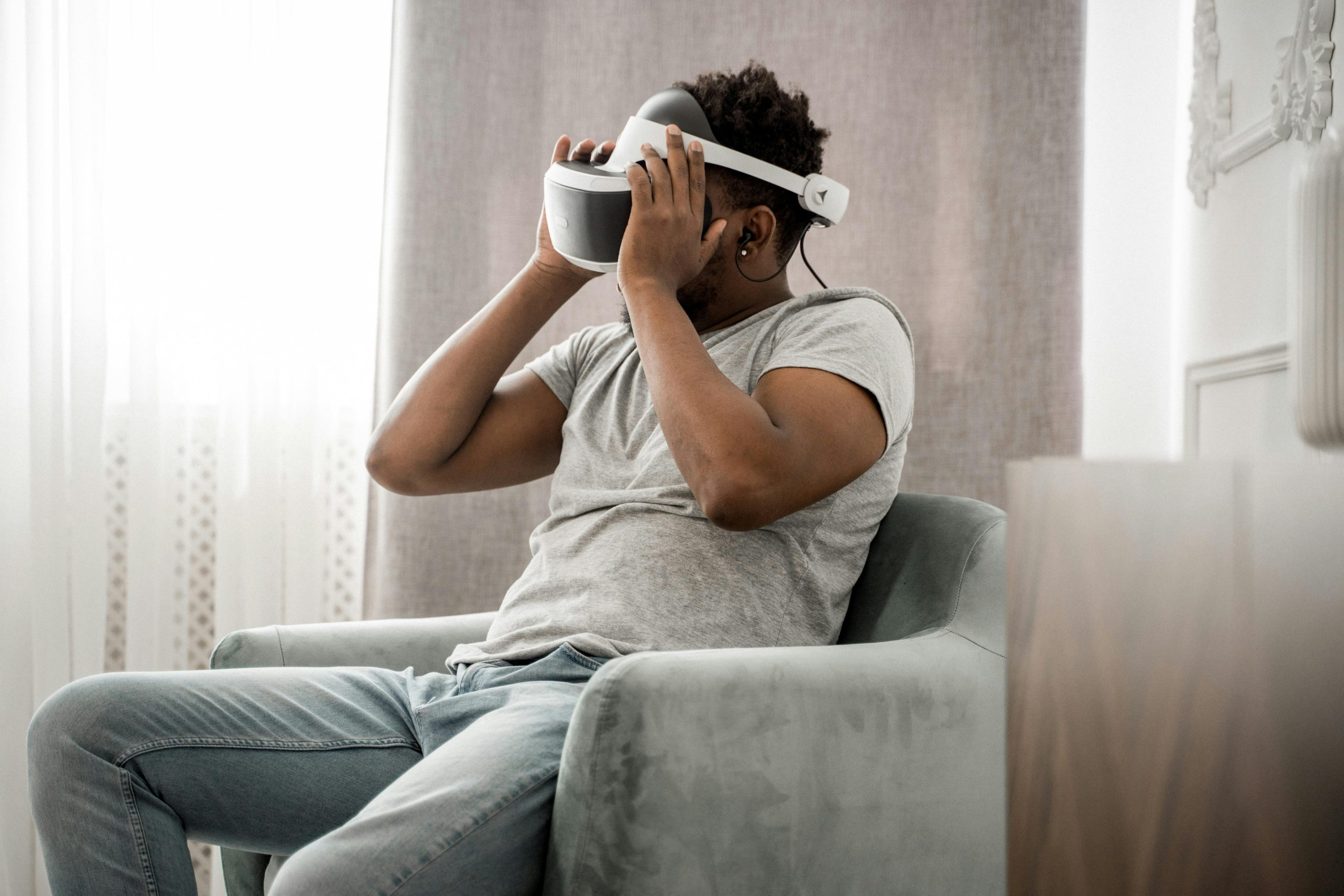
The Power of Immersion
One of the main advantages of using VR in classrooms is its ability to provide a fully immersive learning experience. With the help of VR headsets, students can enter a 3D virtual environment that simulates the real world, making it easier for them to visualize and understand abstract concepts. For example, instead of simply reading about Ancient Egypt, students can now explore the pyramids, walk through the streets, and even interact with virtual characters from that era.
This level of immersion allows students to engage with the subject matter in a way that would be impossible in a traditional classroom setting. It also caters to different learning styles, as the visual and auditory stimulation that VR provides can help students retain information more effectively than reading alone. This makes VR an invaluable tool for teachers who are looking to make their lessons more engaging and interactive.
A World of Opportunities
Another aspect that makes VR such a powerful tool in education is its versatility. There are endless possibilities when it comes to using VR in the classroom. For instance, students studying history can visit different historical sites and time periods, while science students can explore the human body in 3D. This level of hands-on learning enables students to improve their critical thinking skills, as well as develop a deeper understanding and appreciation for the subject matter.
Moreover, students can also create their own VR experiences, allowing them to unleash their creativity and incorporate elements of storytelling into their learning. This not only makes learning more fun but also allows for a deeper understanding of the subject matter as students can personalize their own learning experience.
Overcoming Limitations
One of the most significant challenges that teachers face is catering to the diverse needs of their students. VR technology can help bridge this gap by providing a more inclusive learning experience. For students with learning disabilities, VR can offer a level playing field as it reduces the traditional barriers to learning. By immersing students in a virtual world, it allows them to learn at their own pace and in a way that suits their needs.
Moreover, VR can also help overcome geographical limitations. With the rise of virtual field trips, students can now visit places that were previously inaccessible due to distance or budget constraints. This opens up a world of opportunities for students to learn about different cultures, environments, and experiences, without leaving the comfort of their classroom.
The Future of Education
The incorporation of VR in classrooms is still in its early stages, but its potential to transform the education sector is undeniable. It not only enhances the learning experience but also makes it more engaging, interactive, and inclusive. As this technology continues to evolve and become more accessible, it is likely that we will see a significant shift in the way students learn.
In Conclusion
Virtual reality has proven to be a valuable asset in the education sector, offering a world of opportunities for both students and teachers. By providing a more immersive, versatile, and inclusive learning experience, it has the potential to revolutionize the traditional education system. As we continue to explore the possibilities of VR, one thing is for sure: the future of education is bright and full of endless possibilities with virtual reality.