
The Power of Peer Tutoring and Collaborative Learning Groups
In today’s fast-paced educational system, students are often expected to absorb large amounts of information in a short amount of time. However, research has shown that traditional methods of teaching may not always be the most effective in promoting deep understanding and knowledge retention. This is where peer tutoring and collaborative learning groups come into play. These dynamic learning strategies not only enhance the learning experience for students, but also provide a unique platform for personal and academic growth. In this article, we will explore the power of peer tutoring and collaborative learning groups and the impact they can have on both individual and group learning.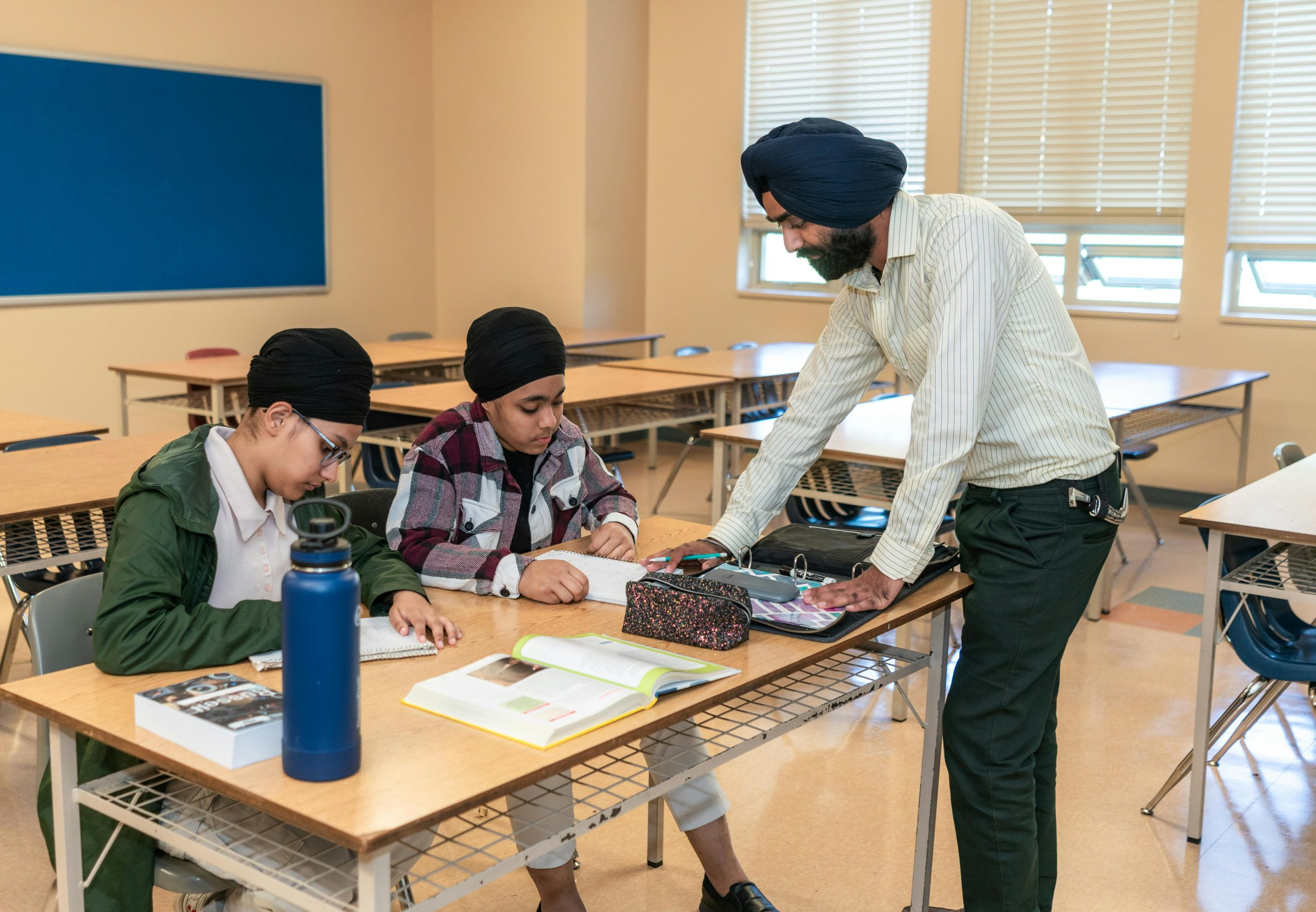
The Basics of Peer Tutoring
Peer tutoring is a form of instructional strategy where students take on the dual role of both teacher and learner. This method allows students to work together in pairs or small groups, where one student acts as the tutor while the other(s) act as the tutee(s). In this setting, the tutor helps to clarify concepts and reinforce understanding while also developing their own problem-solving and communication skills. The tutee, on the other hand, benefits from one-on-one guidance and the opportunity to ask questions and engage in critical thinking.
The Benefits of Peer Tutoring
Promotes Active Learning
One of the greatest advantages of peer tutoring is its ability to promote active learning. Unlike traditional lectures where students may passively listen to the instructor, peer tutoring encourages students to be actively engaged in the learning process. As tutors actively explain and demonstrate concepts, tutees are more likely to pay attention and actively participate in discussions. This active engagement leads to a deeper understanding of the material and enhances critical thinking skills.
Enhances Communication Skills
Effective communication skills are crucial in both academic and real-world settings. Through peer tutoring, students have the opportunity to practice and improve their communication skills as they explain complex concepts and ideas to their peers. As they engage in active discussions and work together to solve problems, they also learn to listen and respond effectively, a valuable skill in academic and professional settings.
Boosts Confidence and Self-Esteem
Participating in peer tutoring can also have a positive impact on students’ confidence and self-esteem. As tutors, students are given the opportunity to take on a leadership role and contribute to others’ learning, which can boost their self-confidence. Tutees, on the other hand, have the support of their peers, making them feel more comfortable asking questions and participating in discussions. This experience of being both a teacher and learner helps to build a sense of self-efficacy and self-esteem.
The Power of Collaborative Learning Groups
Collaborative learning groups involve a group of students working together towards a common goal. These groups can consist of peers with similar academic levels or a mix of students with different strengths and abilities. In this setting, students not only learn from their tutor but also from their peers, creating a stimulating learning environment.
Encourages Peer Teaching
In collaborative learning groups, students have the opportunity to teach and learn from one another. This peer-to-peer teaching increases retention and helps to reinforce understanding of complex concepts. Through peer teaching, students are also accountable to their group, creating a sense of responsibility and a motivation to perform well.
Fosters Diversity and Inclusivity
Collaborative learning groups often bring together students with diverse backgrounds, experiences, and learning styles. This diversity fosters a supportive and inclusive learning environment where students from different backgrounds can collaborate and learn from each other. It also exposes students to different perspectives and ways of thinking, enhancing critical thinking skills and promoting a deeper understanding of the material.
Develops Teamwork and Communication Skills
In collaborative learning groups, students must work together to solve problems and complete tasks. This requires effective communication and teamwork, which are essential skills in any workplace. As students learn to work as a team and communicate effectively, they also develop important interpersonal skills that will benefit them in their academic and professional lives.
Conclusion
Peer tutoring and collaborative learning groups offer many benefits that traditional teaching methods may not provide. Not only do they promote active learning and critical thinking skills, but they also foster a supportive and inclusive learning environment. As students take on the roles of both tutor and tutee, they not only enhance their own understanding and retention of the material but also develop important skills that will benefit them throughout their academic and professional careers. It’s time to harness the power of peer tutoring and collaborative learning groups to empower students for success.