
The Role of Fashion Archives in Preserving Style History
Fashion is an ever-evolving industry that constantly draws inspiration from the past to create something new. From vintage styles to modern trends, the history of fashion has always been a source of inspiration for designers, stylists, and fashion enthusiasts. But how do we ensure that this rich fashion history is preserved for future generations? That’s where fashion archives come in. These repositories of fashion collections play a crucial role in documenting and preserving style history, allowing us to look back and learn from the past. In this article, we’ll delve into the importance of fashion archives and their role in preserving style history. 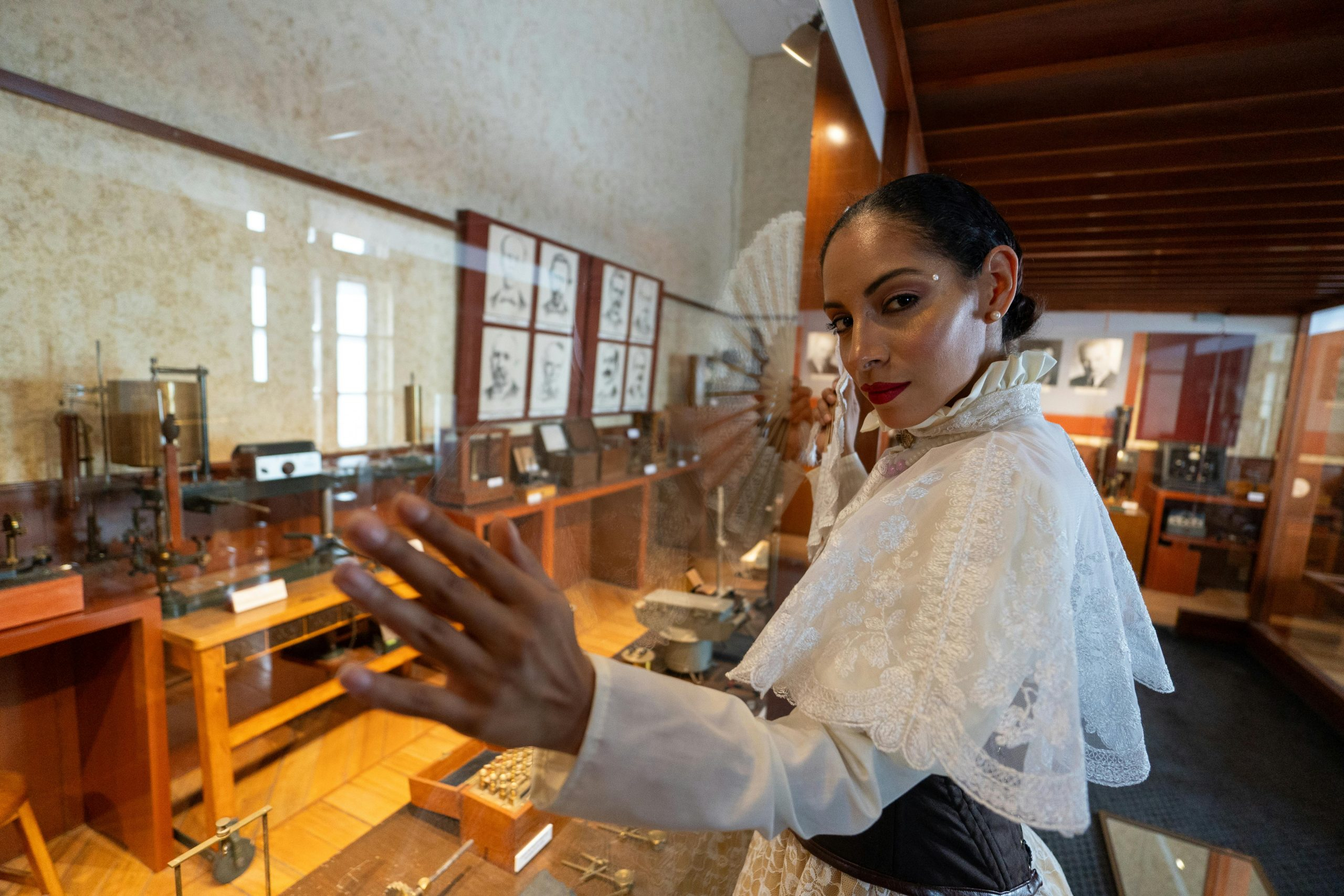
What are Fashion Archives?
Fashion archives are collections of historical garments, accessories, photographs, and documents related to the world of fashion. They serve as a resource for researching and documenting fashion trends, techniques, and styles from different time periods. These archives are usually maintained by museums, fashion institutions, and private collectors, and are an invaluable source of information for fashion researchers and enthusiasts alike.
Documenting Style Evolution
One of the primary purposes of fashion archives is to document the evolution of style. From the clothing worn by ancient civilizations to the latest runway collections, archives provide a timeline of how fashion has changed over the years. This documentation allows us to see how trends have emerged and evolved, providing valuable insights into the cultural and societal influences on fashion. By studying fashion archives, we can also gain a better understanding of the motivations and inspirations behind certain styles and trends.
Preserving Genuine Artifacts
Fashion archives also play a crucial role in preserving genuine artifacts from different eras. As with any historical preservation efforts, there is always a risk of losing items to natural disasters, deterioration, or theft. Fashion archives provide a safe and controlled environment for rare and delicate garments and accessories, ensuring that they are protected for years to come. This preservation not only safeguards the physical items but also the stories and histories attached to them. It allows future generations to experience and learn from these artifacts, understanding their significance in the context of fashion history.
Inspiration for Contemporary Design
Fashion archives serve as a rich source of inspiration for contemporary designers. By studying past fashion trends and techniques, designers can breathe new life into old styles and create modern interpretations of historical fashion. This fusion of the past and the present not only pays homage to fashion history but also keeps it alive by incorporating it into current trends. Fashion archives also provide a platform for emerging designers to study and understand the evolution of fashion, helping them to hone their skills and create unique designs.
Imparting Knowledge and Education
With the wealth of information and resources available, fashion archives also serve as a vital educational tool. From students and researchers to fashion enthusiasts, these archives offer a glimpse into the world of fashion and its many facets. Archives hold a treasure trove of knowledge on the design process, production techniques, and cultural influences, providing a comprehensive understanding of the industry. Additionally, many archives also hold workshops, tours, and lectures, making it possible for people to engage and learn from experts in the field.
Embracing Diversity and Inclusivity
Another important aspect of fashion archives is their role in promoting diversity and inclusivity in the industry. As we look back at the history of fashion, it’s impossible to ignore the lack of representation and marginalization of certain groups in the industry. By studying archives and recognizing the contributions of underrepresented communities, we can work towards a more inclusive and equitable fashion industry. Archives also provide a platform to preserve and celebrate diverse styles, customs, and traditions from different cultures and backgrounds, promoting a more inclusive understanding of fashion.
Conclusion
The role of fashion archives in preserving style history is undeniable. From documenting the evolution of fashion to inspiring contemporary design and promoting diversity, these repositories serve as a vital resource for the fashion industry. By recognizing the importance of fashion archives and supporting their efforts to preserve style history, we can ensure that our rich fashion heritage continues to thrive and evolve for generations to come.