
The Importance of Rest Times in Cooking Meat and Dough
The art of cooking is a delicate balance between preparation and technique. While many may think that the secret to a delicious meal lies in the ingredients and cooking method, there is another crucial step that is often overlooked – rest times. Especially when it comes to cooking meat and dough, allowing adequate rest times is essential in ensuring a perfectly cooked and flavorful dish. In this article, we will dive into the importance of rest times in cooking meat and dough and how it can elevate your culinary skills to the next level.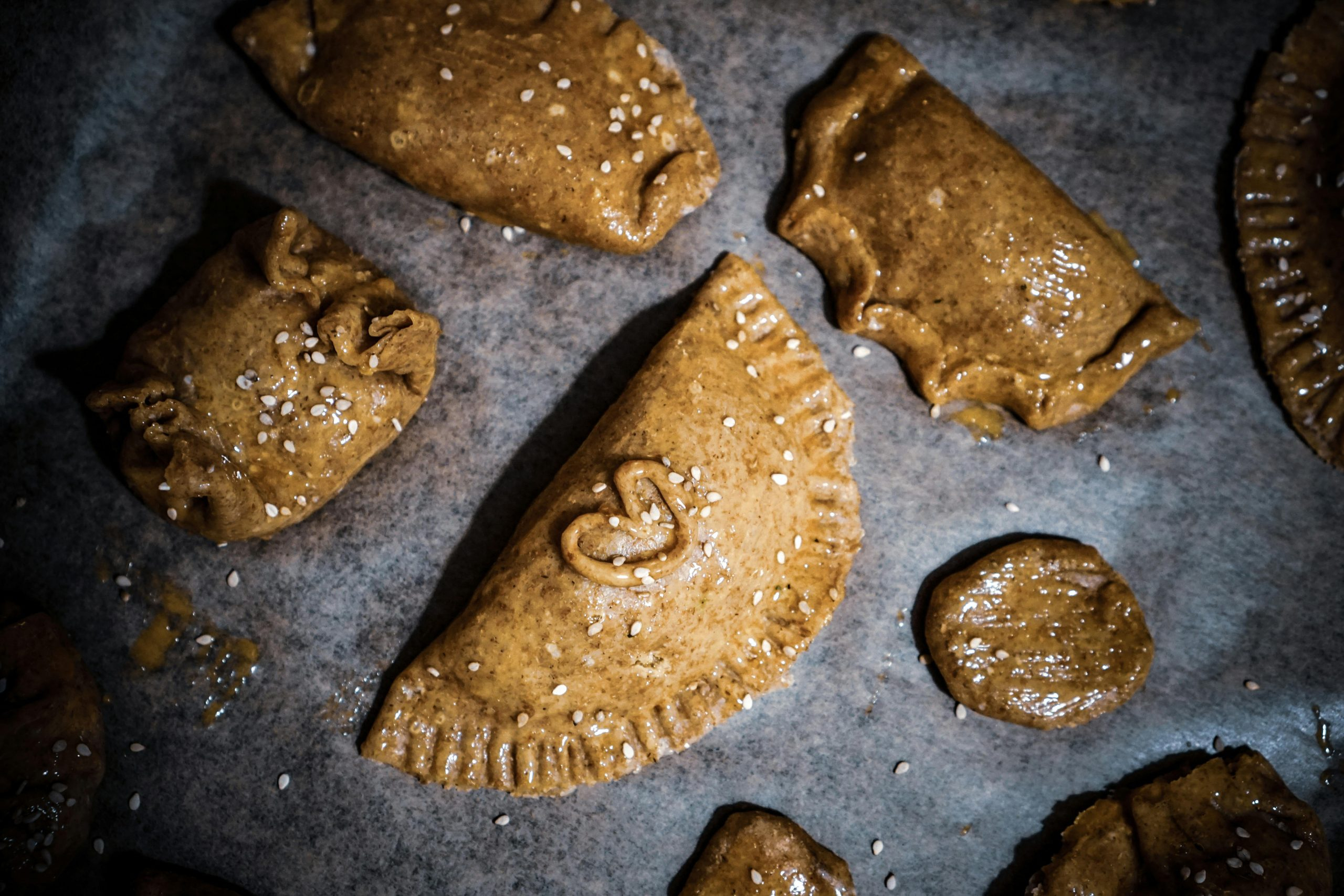
Understanding Rest Times
In simple terms, rest times refer to the time that food is left to sit, undisturbed, after being removed from the heat source. This may seem like a trivial step, but it is crucial in allowing heat and moisture to redistribute within the food. Resting also helps to prevent food from being overcooked and retains its juices, resulting in a more flavorful and tender dish.
The Importance of Rest Times in Cooking Meat
Meat is one of the trickiest things to cook perfectly. Undercooking can lead to foodborne illnesses, while overcooking can result in a tough and dry texture. Resting meat after cooking allows the muscle fibers to relax and reabsorb the juices, making the meat more moist and tender. This is particularly important for large cuts of meat, such as roasts and steaks.
As a general rule, the larger the cut of meat, the longer it should rest. A small steak may only need 5-10 minutes of resting time, while a large roast can benefit from resting for up to half an hour. In addition, the type of meat also plays a role. For example, tougher cuts of meat, such as a brisket, may require a longer resting time as compared to a tender cut like a filet mignon.
Rest Times for Dough
Resting dough is just as crucial as resting meat, if not more. When making dough for bread or pizza, the rest period allows time for the gluten to relax, making the dough easier to work with and resulting in a better texture. Resting dough also allows the yeast to do its job properly, leading to a better rise and more flavorful bread.
The length of rest time for dough varies depending on the recipe and type of bread or dough being made. In general, a minimum of 30 minutes of resting time is recommended for most doughs. However, some recipes may require longer rest periods for the best results. For example, sourdough bread is often left to rest overnight to develop its signature tangy flavor.
Tips for Resting Meat and Dough
There are a few things to keep in mind when it comes to resting meat and dough. First and foremost, do not skip the resting step. It may be tempting to dive into your delicious creation right away, but trust us, the wait will be worth it. Also, make sure to cover the meat or dough loosely with foil during the resting period to keep it warm and prevent a crust from forming on the surface.
Another important tip is to adjust the cooking time accordingly. Experts recommend subtracting the resting time from the total cooking time to ensure that the meat is cooked to perfection. For example, if a recipe calls for a 20-minute resting time, you should reduce the cooking time by 20 minutes. This way, you are accounting for the additional heat from the resting period and avoiding overcooking the meat.
Conclusion
In conclusion, rest times are a fundamental aspect of cooking that should not be overlooked. By allowing food to rest after cooking, you are ensuring a better flavor, texture, and overall dining experience. So the next time you are whipping up a juicy steak or making a batch of homemade bread, remember the importance of rest times and watch your dishes reach new levels of perfection.
Now that you are armed with the knowledge on the importance of rest times in cooking meat and dough, it’s time to put it into practice. Experiment, have fun, and discover how this often neglected step can transform your meals into culinary masterpieces. Happy cooking!