
The Importance of Regular Financial Health Check-ups
In today’s fast-paced and ever-changing world, it’s easy to get caught up in the day-to-day responsibilities and forget to check in on our financial health. However, just like our physical health, our financial health requires regular check-ups to ensure everything is in order and functioning properly. In fact, regular financial check-ups can be crucial in avoiding financial pitfalls and setting us up for long-term success.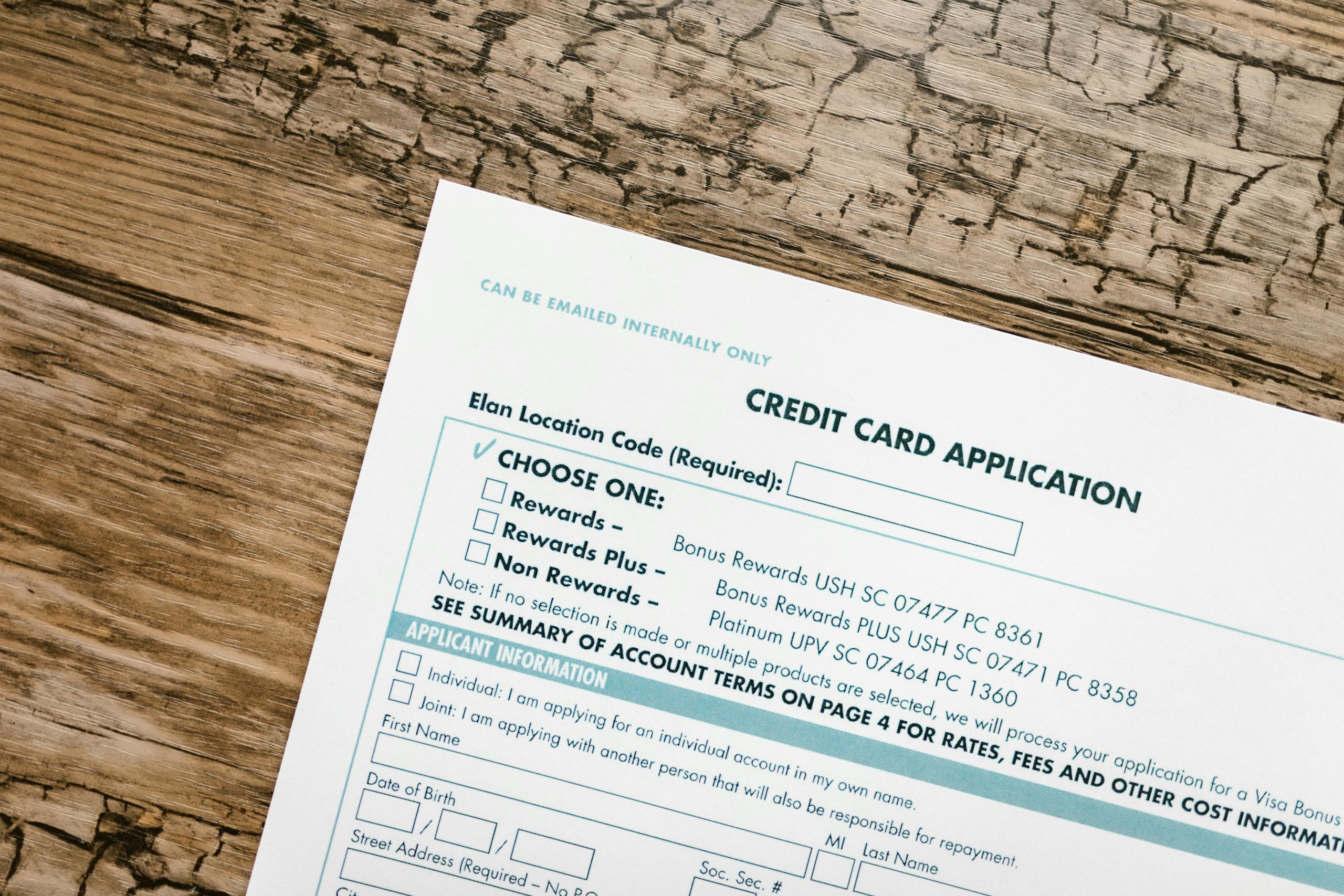
The Importance of Financial Health Check-ups
Many people often overlook the importance of regular financial check-ups, assuming that as long as they have money in their bank account, everything must be fine. But the truth is, there’s more to financial health than simply having a positive balance. Similar to how a doctor conducts routine physical exams to detect any potential health issues, a financial health check-up is a way to assess our financial well-being and identify areas for improvement.
The Benefits of Regular Financial Check-ups
Regular financial check-ups have numerous benefits, from ensuring we are on track with our financial goals to preventing us from falling into debt. Here are a few reasons why incorporating financial check-ups into our routine is crucial:
1. Identifies Potential Issues
One of the main benefits of a financial health check-up is the ability to catch any potential issues before they become major problems. For example, during a check-up, we may discover that we have been overspending or not saving enough, and can make adjustments accordingly. This proactive approach can prevent us from facing financial difficulties down the road.
2. Helps Set Realistic Goals
Without regular financial check-ups, it’s easy to lose track of our financial goals or set unrealistic ones. By reviewing our finances on a regular basis, we can assess our progress and adjust our goals accordingly. This not only keeps us motivated but also ensures that our goals are achievable.
3. Improves Financial Habits
Conducting financial check-ups also helps us develop healthier financial habits. As we review our spending and saving patterns, we may notice areas where we can improve, such as cutting back on unnecessary expenses or increasing our retirement savings. By consistently monitoring our financial health, we can make positive changes and create better habits for the long term.
4. Helps Plan for the Future
Regular financial check-ups also allow us to plan for the future. This includes setting up an emergency fund, investing for retirement, or planning for major life events like buying a house or starting a family. By regularly reviewing our finances, we can ensure that we are prepared for whatever the future may hold.
How Often Should You Conduct a Financial Check-up?
The frequency of financial check-ups will vary depending on individual circumstances. However, as a general rule of thumb, it’s recommended to review our finances at least once a year. This allows us to stay on top of our financial health and make any necessary adjustments. However, if we experience any major life changes, such as getting a new job, getting married, or having a child, quarterly or even monthly check-ups may be more beneficial.
Incorporating Financial Check-ups into Your Routine
It’s easy to get overwhelmed by the thought of conducting a financial health check-up, but it doesn’t have to be complicated. Here are a few steps to help you get started:
1. Gather Financial Documents
Start by gathering all relevant financial documents, such as bank statements, credit card statements, investment account statements, and any other financial documents you may have.
2. Evaluate Your Spending
Review your spending and make note of any areas where you may be overspending. Look for ways to cut back on unnecessary expenses or find more affordable alternatives.
3. Assess Your Saving Habits
Make sure you are saving enough for both short-term and long-term goals. If you’re not, consider increasing your savings contributions or finding ways to save money.
4. Review Your Debt
Take a look at your debt and come up with a plan to pay it off. This may involve paying off higher interest debts first or consolidating your debt into a lower interest loan.
5. Check Your Credit Score
Regularly reviewing your credit score can give you a good indication of your financial health. A higher credit score means better financial opportunities, such as lower interest rates for loans and credit cards.
Conclusion
Your financial health is just as important as your physical health. By conducting regular check-ups, you can ensure that you are on track to reach your financial goals and avoid any potential issues. So make financial check-ups a part of your routine, and you’ll be well on your way to a healthy financial future.