
Strategies for Writing Effective Instrumental Music Pieces
When it comes to writing instrumental music pieces, there are certain strategies that can help you create a captivating and unforgettable composition. Whether you are an experienced musician or just starting out, these strategies can guide you in crafting effective instrumental music pieces that will resonate with your audience and showcase your musical talent. In this article, we will explore some of the most essential strategies for writing effective instrumental music pieces that will leave a lasting impression on your listeners.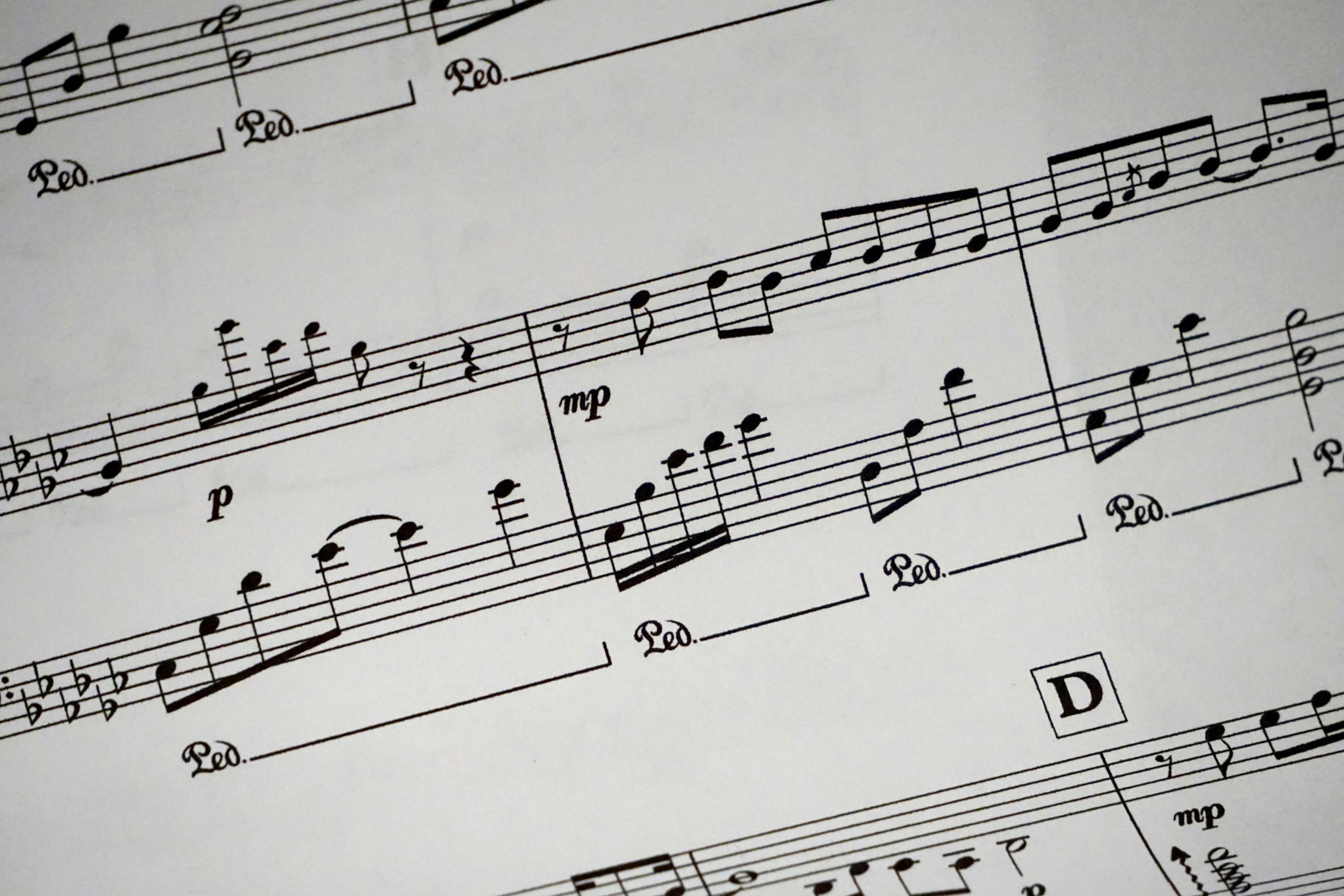
The Importance of a Strong Concept
Before diving into the technical aspects of writing instrumental music, it is important to have a strong concept or theme in mind. A solid concept will serve as the foundation for your composition and give it direction. Your concept can be anything from emotions and feelings to a specific story or narrative. Whatever it may be, having a clear concept will help you stay focused and create a cohesive piece of music.
Experiment With Different Musical Structures
When writing instrumental music, it can be easy to fall into familiar and repetitive patterns. To avoid this, it is important to experiment with different musical structures. This could mean trying out different time signatures, varying the length of phrases, or incorporating unexpected key changes. By exploring different musical structures, you can add depth and interest to your composition.
Utilize Dynamics to Create Contrast
One of the most effective ways to keep your instrumental piece engaging is to use dynamics to create contrast. Dynamics refer to the volume or intensity of the music. By incorporating both quiet and loud sections, you can create a sense of tension and release, keeping your listeners on the edge of their seats. Experiment with different levels of dynamics to add depth and emotion to your composition.
Incorporate Different Instrumentation
Another important strategy for writing effective instrumental music pieces is to utilize a variety of instrumentation. This means using different instruments and sounds to add richness and diversity to your composition. Whether it’s adding a solo instrument or layering different instruments to create a unique blend, incorporating different instrumentation can add depth and interest to your composition.
Focus on Melody and Harmony
In instrumental music, the melody and harmony play a crucial role in creating a memorable and catchy piece. While it may be tempting to focus solely on the technical aspects of composing, pay close attention to your melody and harmony. A strong and memorable melody will keep your listeners engaged and give them something to hold onto. Additionally, experimenting with different harmonies can add depth and emotion to your composition.
Don’t Be Afraid to Take Risks
When it comes to writing effective instrumental music pieces, it can be easy to play it safe and stick to what is comfortable. However, taking risks and stepping out of your comfort zone can lead to a unique and captivating composition. Don’t be afraid to try unconventional techniques or push the boundaries of traditional musical styles. By taking risks, you can create a truly one-of-a-kind piece that will stand out.
Revise and Refine Your Composition
Finally, one of the most important strategies for writing effective instrumental music pieces is to revise and refine your composition. No piece of music is perfect on the first try, and it is important to take the time to revisit and make adjustments to your composition. This could mean tweaking certain elements, removing or adding sections, or making changes to the arrangement. By continuously revising and refining, you can create a polished and impactful composition.
In conclusion, writing effective instrumental music pieces requires a combination of technical skill and creativity. By utilizing these strategies, you can create a captivating and unforgettable composition that will resonate with your audience. Remember to have a strong concept, experiment with different structures and dynamics, incorporate different instrumentation, focus on melody and harmony, take risks, and continuously revise and refine. With these strategies in place, you can create a truly remarkable piece of instrumental music that will leave a lasting impression.